Suche
Newsletter abonnieren
News
Branchenverzeichnis


Sonderhefte/Specials
Shuttle-Profis


From 160 to 1,671 Exhibitors: What 25 Years of Logimat Reveal About Intralogistics

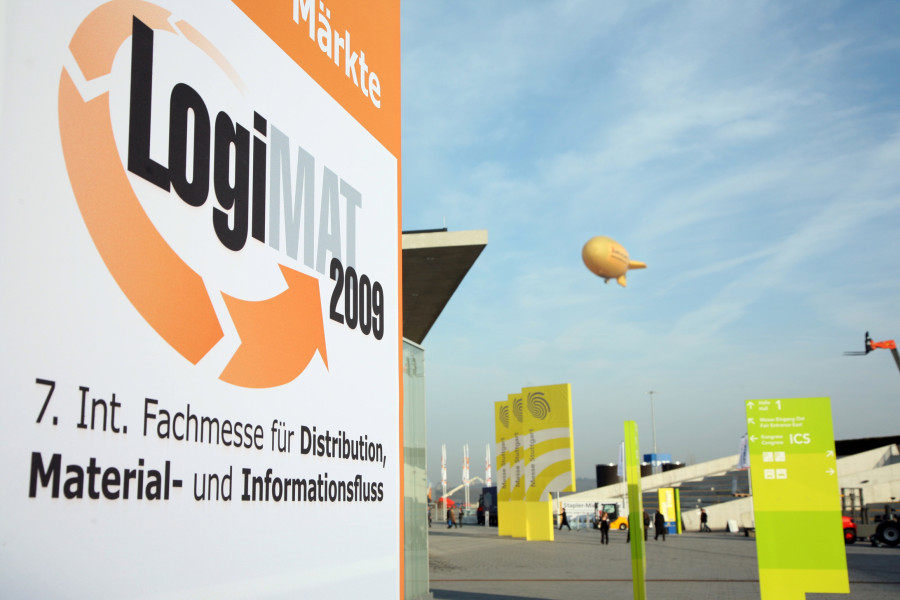








Already in 2003, It Was About Robotics and Digitalization
A look back shows how early many technologies, now established, were represented at the trade fair. As early as the 2003 premiere, exhibitors and expert speakers were dealing with robots, driverless transport systems, and digital identification procedures. Voice- and light-supported picking techniques, such as Pick-by-Voice and Pick-by-Light, were also topics at that time.
In addition, there were web-based software systems that allowed logistical processes to be more efficiently designed. The first Logimat thus already provided a preview of technological developments that would gain importance in the following decades. The fundamental trade fair concept has hardly changed since then: an exhibition clearly divided according to industry segments, supplemented by a comprehensive program of expert lectures.
The Online Trade Changes the Requirements
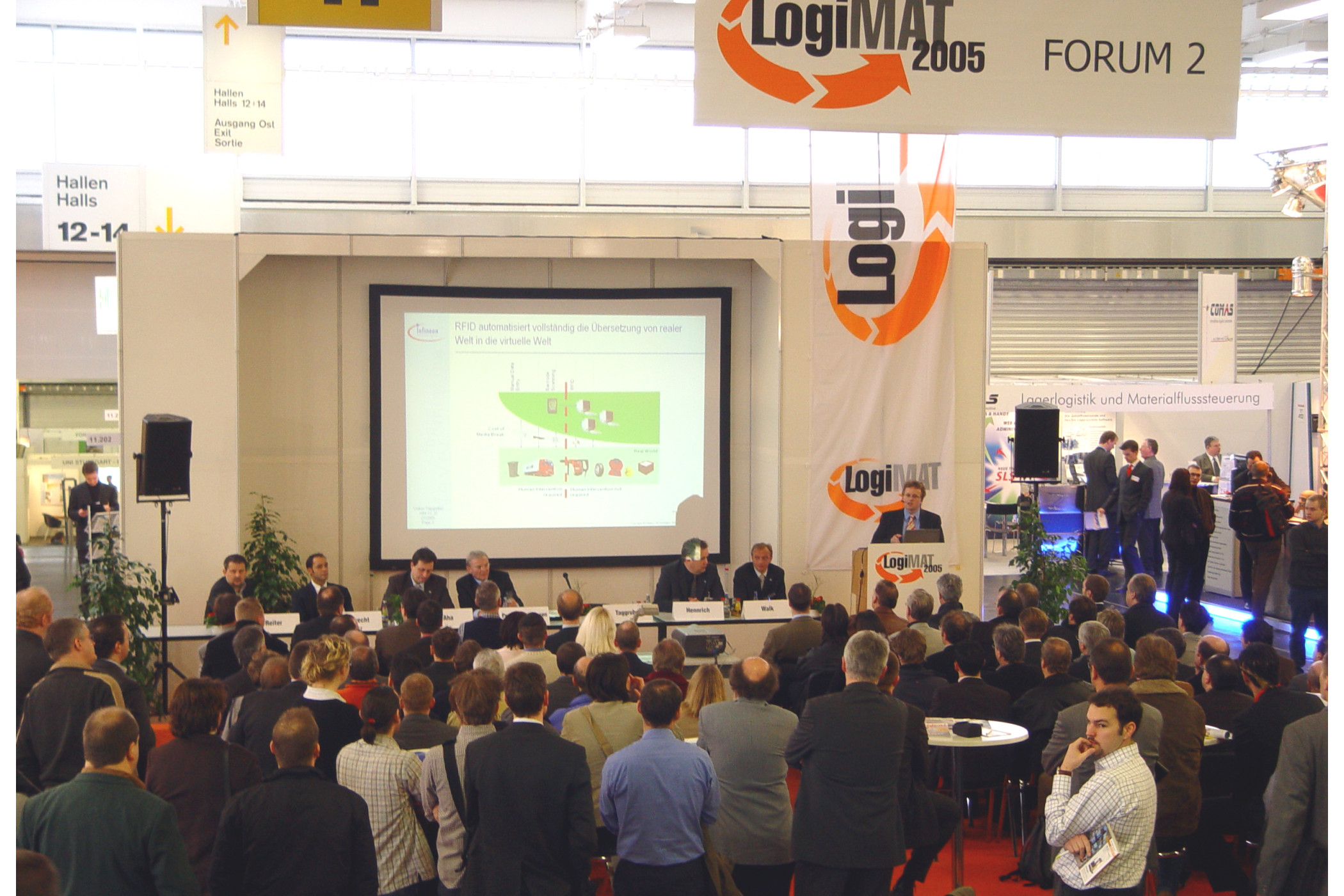
In the following years, digitalization and the increasing networking of logistical processes moved more into focus. In 2004 and 2005, exhibitors showcased new Pick-by-Voice systems and the first mobile robots, among other things. The idea of allowing complex logistical networks to be largely self-managed was also already being discussed. Interest in the trade fair grew. In 2005, 7,230 trade visitors and 289 exhibitors came to Stuttgart. Thus, both figures had nearly doubled compared to the premiere.
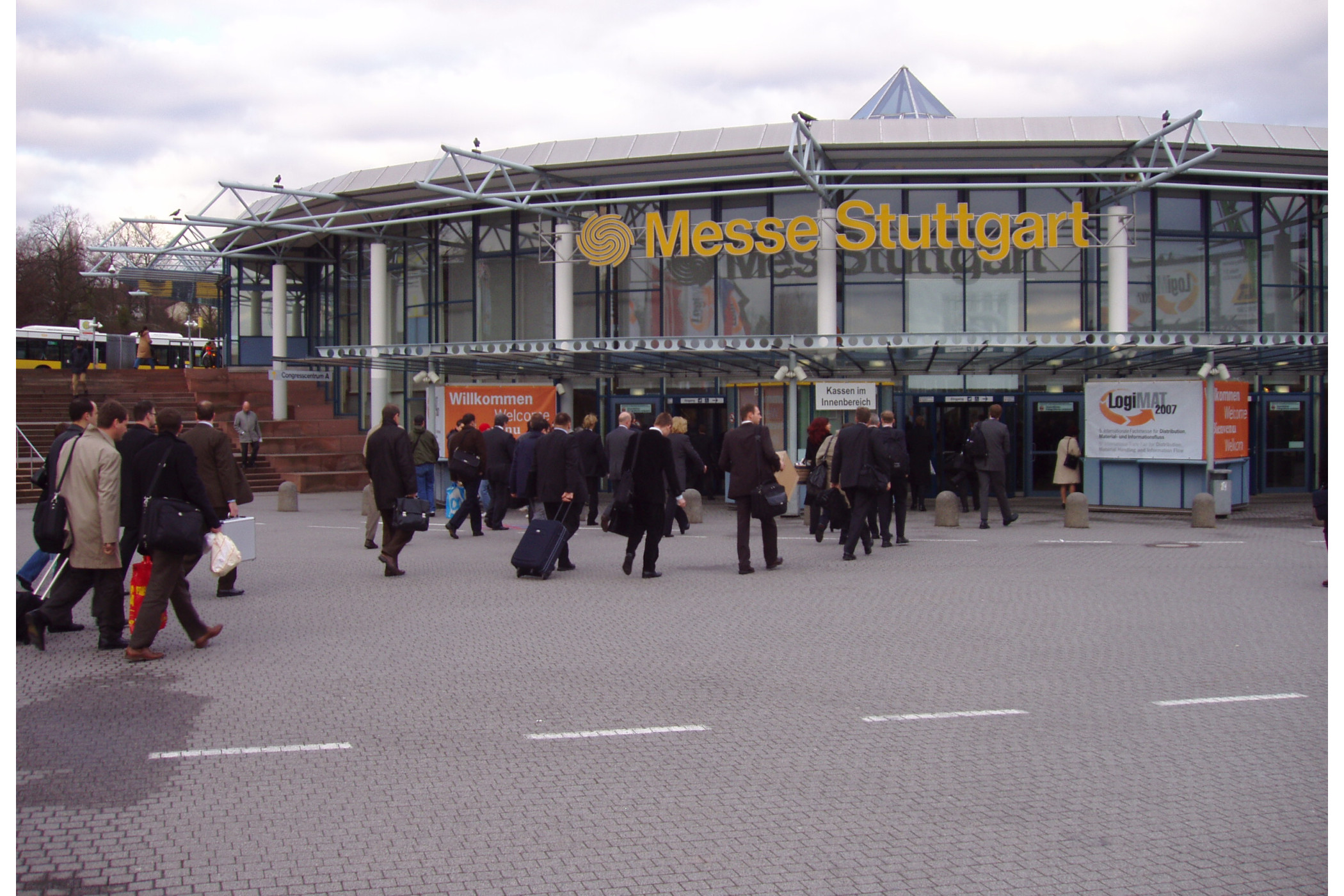
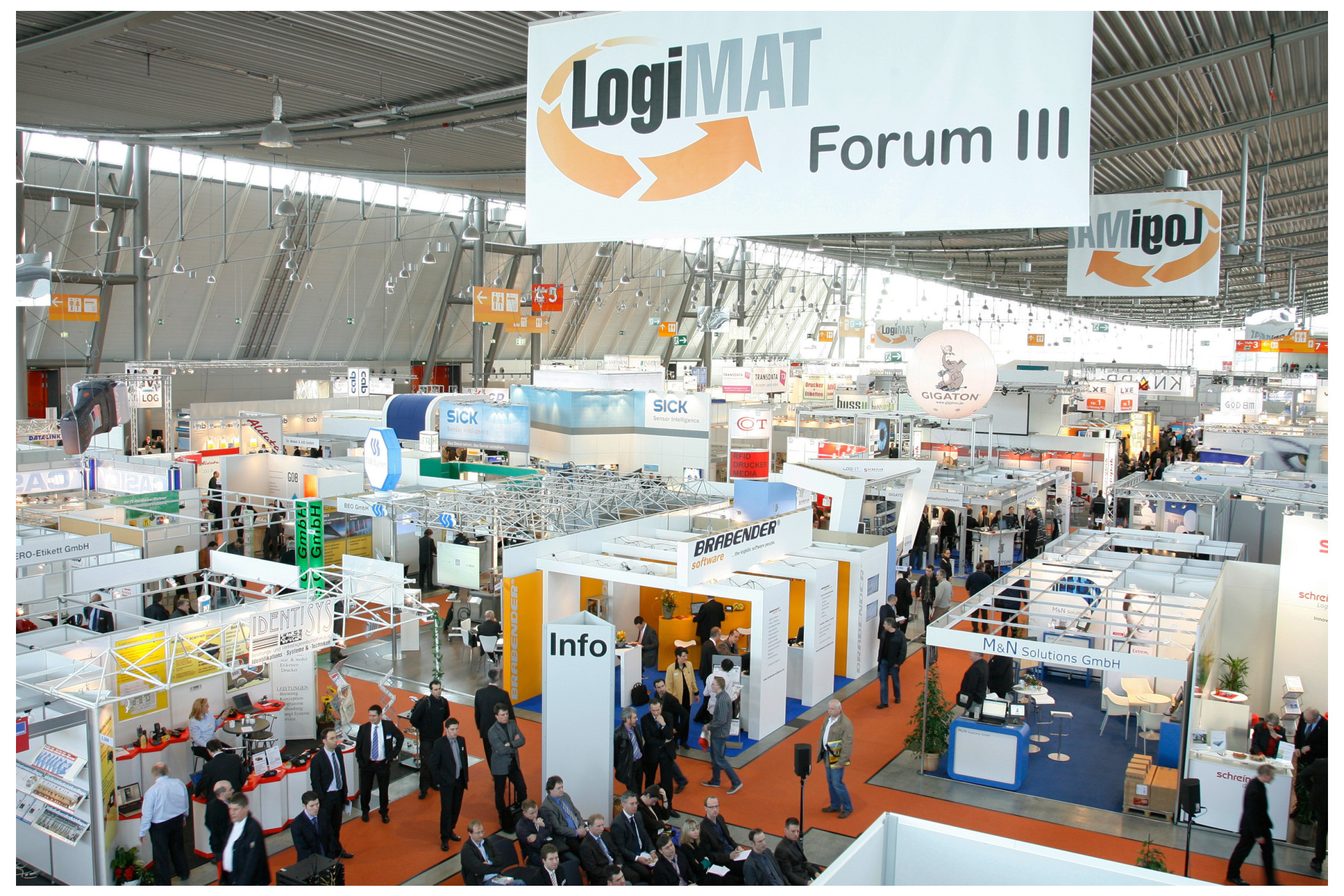
By 2006 at the latest, it became clear what influence electronic commerce would have on intralogistics. Besides material flow automation, digital logistics processes and the Internet of Things were on the agenda. A year later, the trade fair was already dealing with web services and cloud-based software offerings. The last Logimat at Killesberg in 2007 ultimately recorded 463 exhibitors and 11,000 trade visitors.
More Space for New Technologies
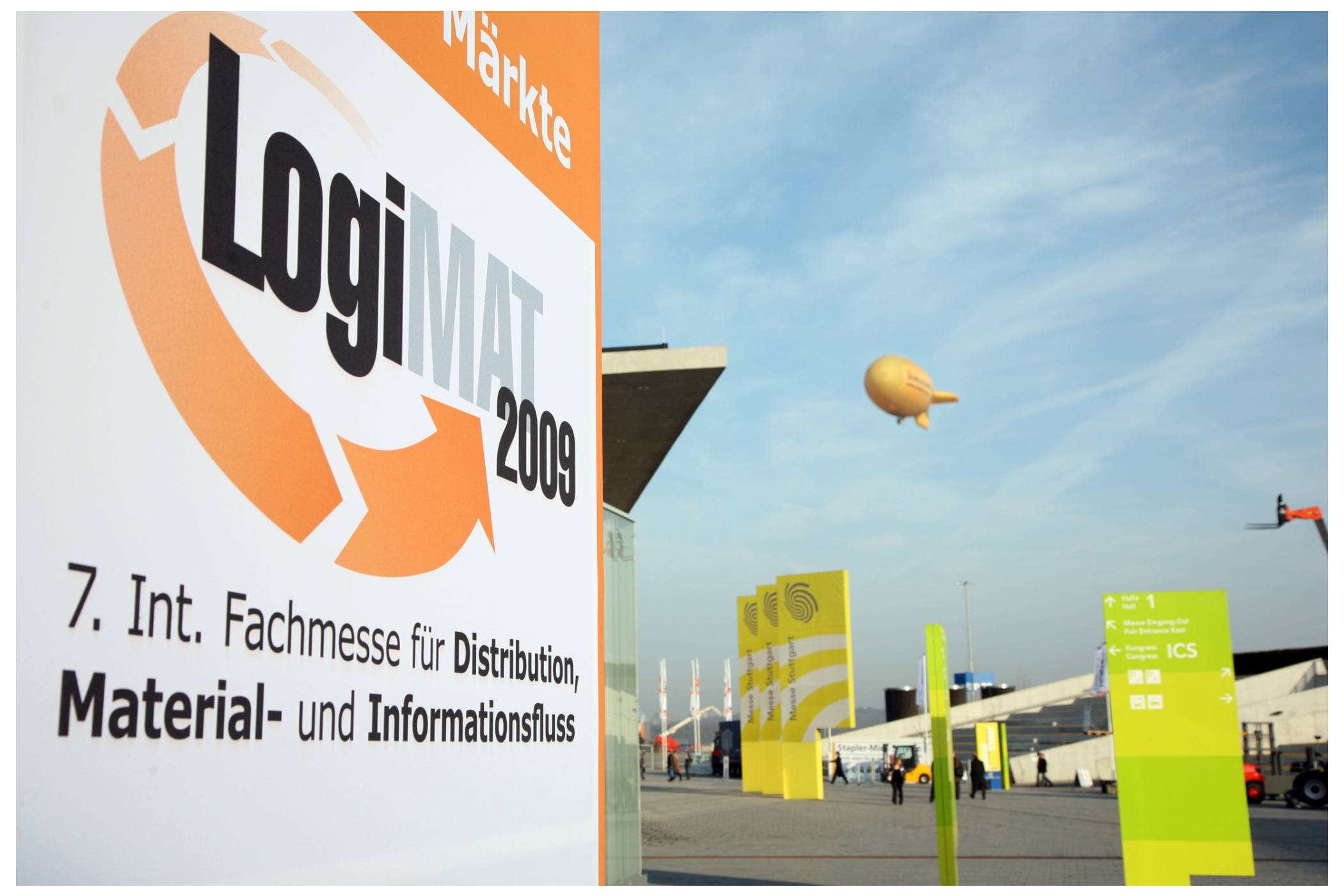
With the move to the new exhibition grounds at Stuttgart Airport in 2008, the next chapter began. Initially, Logimat used three halls. There, 571 exhibitors presented their solutions, and more than 15,000 trade visitors attended the event. The focus now shifted to topics that still concern the industry today. These included connected vehicle fleets, driverless transport systems, and energy-efficient technologies. Shuttle systems and flexibly expandable storage solutions also gained importance.
At the same time, the industry increasingly dealt with the energy and resource consumption of their facilities. Sustainable packaging concepts, more efficient drives, and the economical use of energy found their place in the trade fair program. Topics also included ergonomic workplaces and demographic change. The demand for space grew accordingly. In the three years after 2009, Logimat already occupied four halls. From 2012 on, almost every year an additional hall was added due to increasing demand.
Automation Becomes the Defining Topic
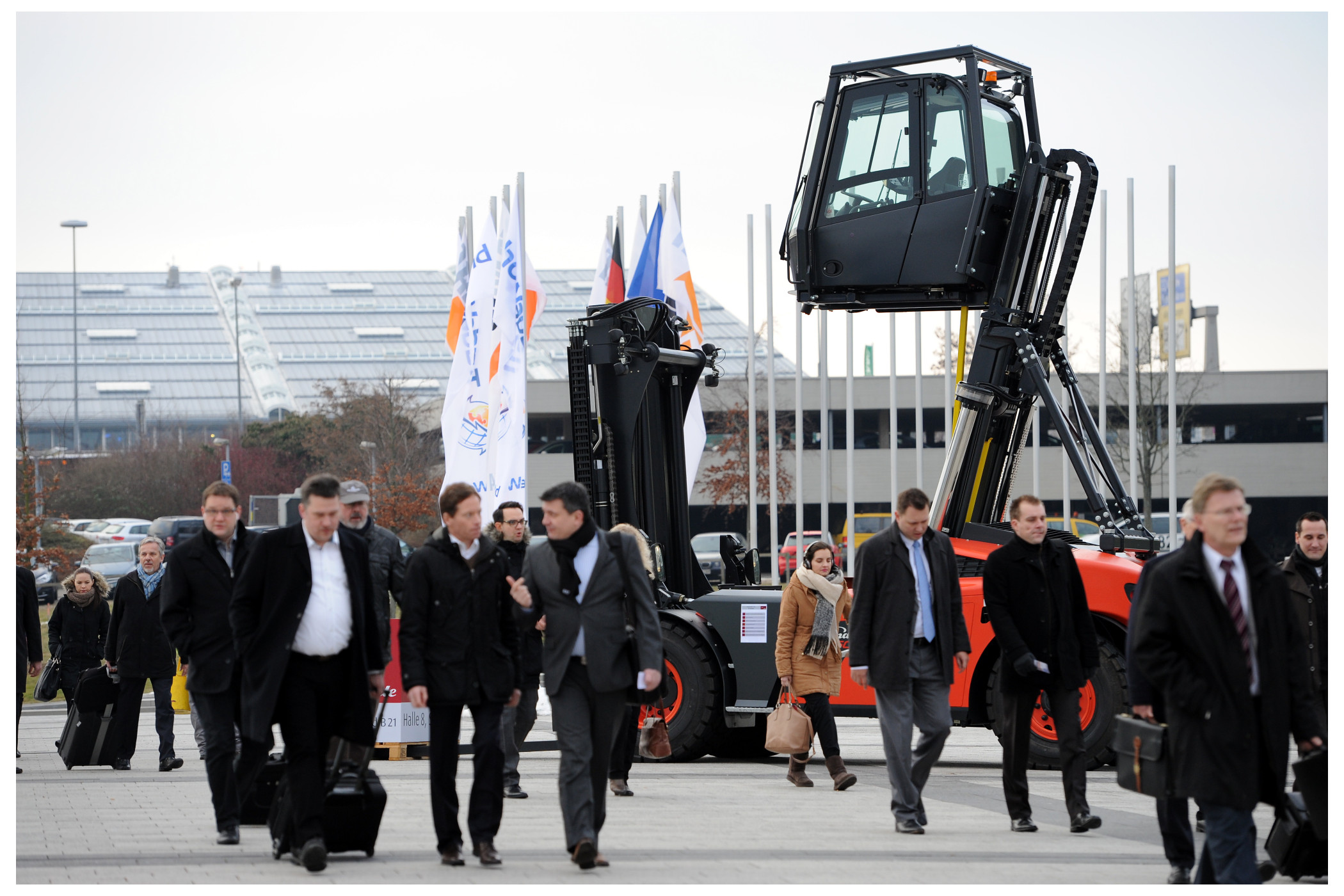
In 2014, Logimat reached 32,800 trade visitors. Online commerce had meanwhile developed into an important driver of warehouse automation. Faster goods movements and new requirements for order picking brought automated warehouse and material flow systems more into focus.
In the second half of the 2010s, robots, driverless transport systems, and shuttle solutions were no longer niche topics at the fair. Industry 4.0 and the Internet of Things also shaped the specialized program.
At the same time, the exhibition continued to expand. In 2016, Logimat occupied all the exhibition halls available at the time for the first time. When the Stuttgart exhibition grounds expanded to ten halls, the trade fair used the entire space for the first time in 2019.
After the Pandemic, Autonomous Systems Come into Focus
The COVID-19 pandemic interrupted the development of in-person events. For a time, the Logimat could not take place on-site. Organizer Euroexpo bridged this phase with offerings on its own international online platform.
In 2022, the trade fair returned to Stuttgart and once again occupied all ten halls. Technologically, the industry had since evolved. Autonomous mobile robots, intelligent sensors, and artificial intelligence gained importance.
There was also progress with industrial trucks and driverless transport systems. Exhibitors presented new propulsion and storage technologies as well as increasingly autonomous solutions. Added to this were drones and scalable automated storage systems.
In the field of software, the focus shifted further towards intelligent, cloud-based applications. In addition to warehouse management and material flow control, data analysis, the security of IT networks, and resilient supply chains also came to the forefront.
From a Regional Trade Fair to an International Industry Meeting Point
Not only has the technology spectrum changed over the past 25 years, but international participation has also significantly increased. In 2024 and 2025, around 35 percent of exhibitors came from abroad. The international share of professional visitors was around 30 percent.
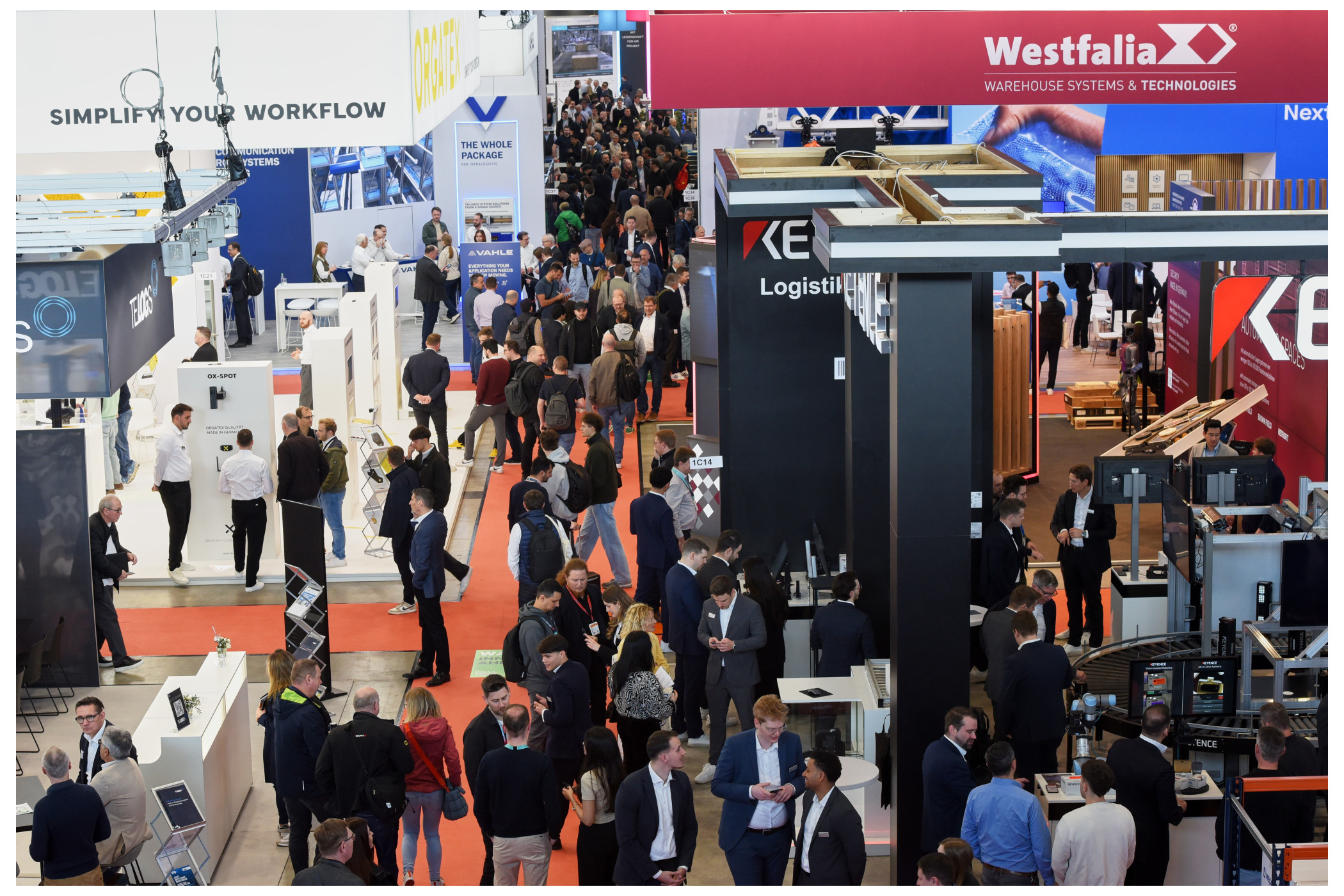
The 2026 edition set new records according to the organizer. A total of 1,671 exhibitors participated, and 69,856 professional visitors attended the fair. The share of international exhibitors reached 37 percent. Companies from 46 countries were represented. This means the number of exhibitors has more than tenfold increased since its debut. Today, the number of visitors is nearly 19 times higher than in 2003.
Anniversary Edition in March 2027
From March 16 to 18, 2027, the anniversary edition of Logimat will take place in Stuttgart. Looking back on 25 years shows how much technical intralogistics has changed during this time. Many solutions that were still discussed as new approaches in the early 2000s are now an integral part of modern warehouse and material flow systems.
With artificial intelligence, autonomous robotics, and increasingly connected systems, this transformation continues. According to the organizer, Logimat also aims to embrace new technologies and developments in the industry in the future. Stuttgart will remain the fixed location for the trade fair.
Translated automatically from German.
Branchenverzeichnis