Suche
Newsletter abonnieren
News
Branchenverzeichnis


Sonderhefte/Specials
Shuttle-Profis


Warehouse Control System: The Digital Nerve Center of Automated Warehouse Logistics
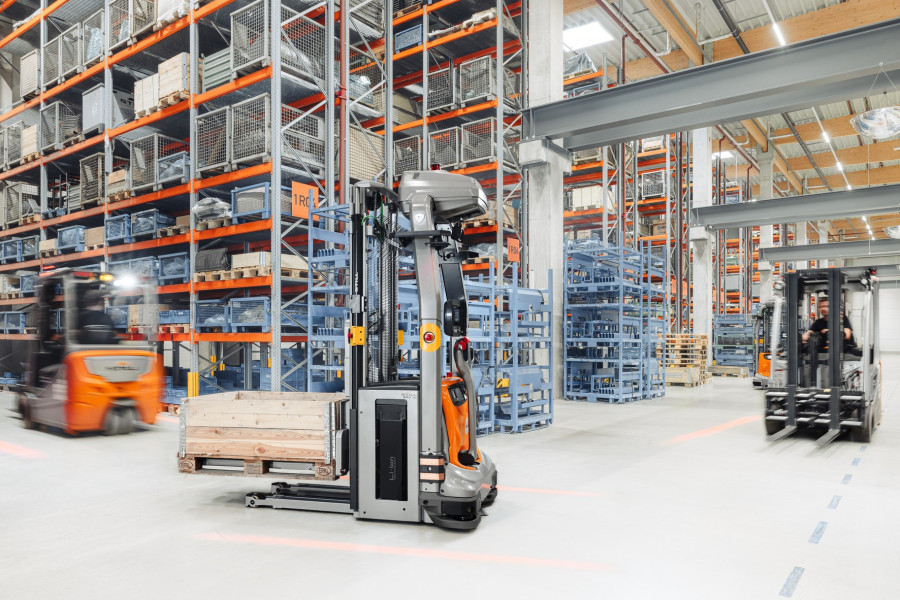
Still integrates control levels for automated warehouses
With the increasing automation of intralogistics, the importance of overarching control software is growing, according to Still. This software must coordinate data and processes from different systems and control material flows between stationary conveyor technology, driverless transport vehicles, and other automated systems. With "Still iGo flow," the Hamburg-based intralogistics provider offers an integrated solution that consolidates multiple levels of warehouse and material flow control.
Automated warehouses continuously capture information from stationary and mobile systems via sensors, scanners, barcodes, RFID tags, and cameras. Different software systems are used for the processing and utilization of this data. Still combines the various levels from the Warehouse Execution System, Warehouse Management System, and Warehouse Control System under the term WxS.
Warehouse Control System coordinates material flows
While a Warehouse Management System primarily manages inventory and organizational processes, the Warehouse Control System takes over the operational control of material flow. For example, it receives orders from the Warehouse Management System and translates them into control commands for the connected systems.


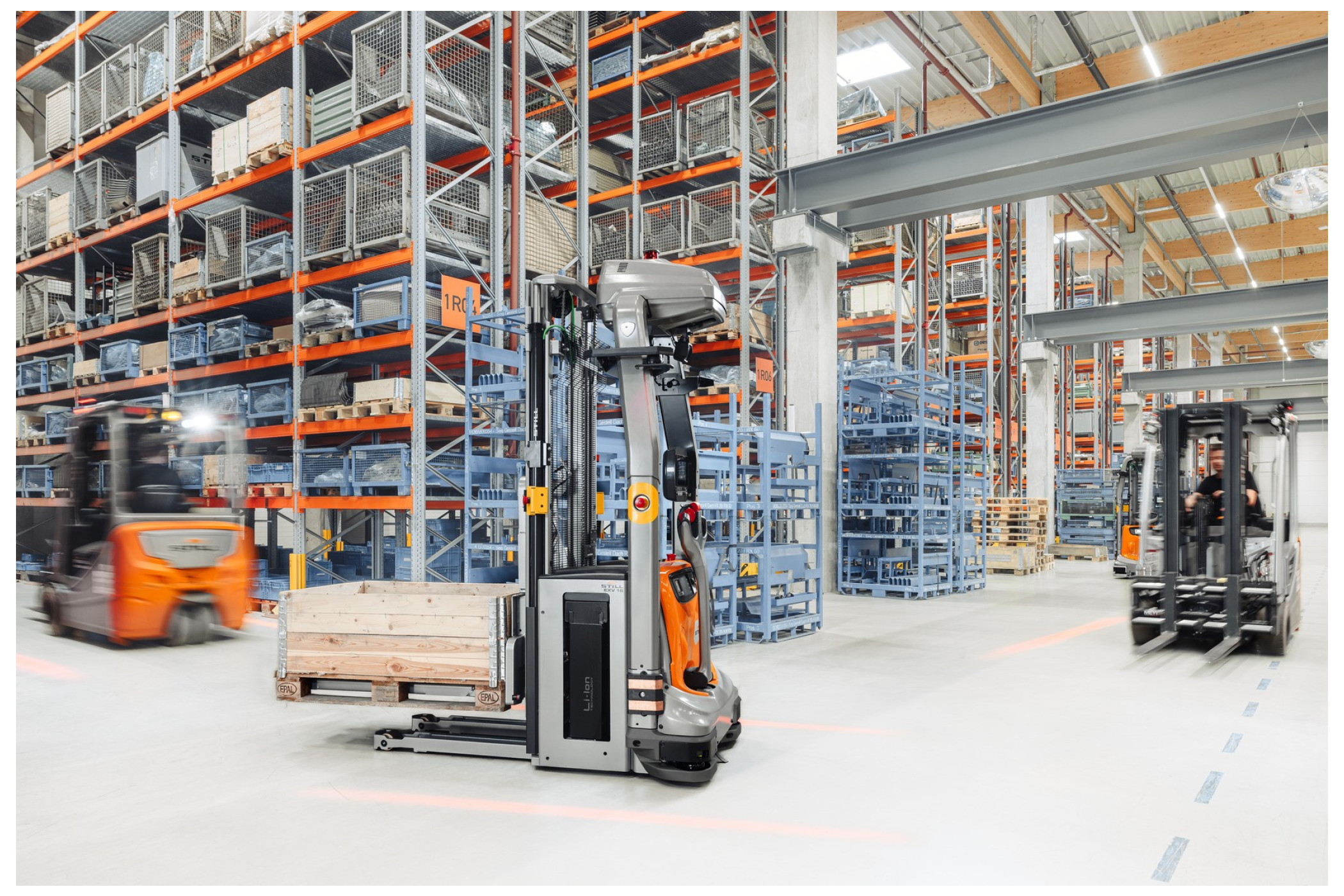

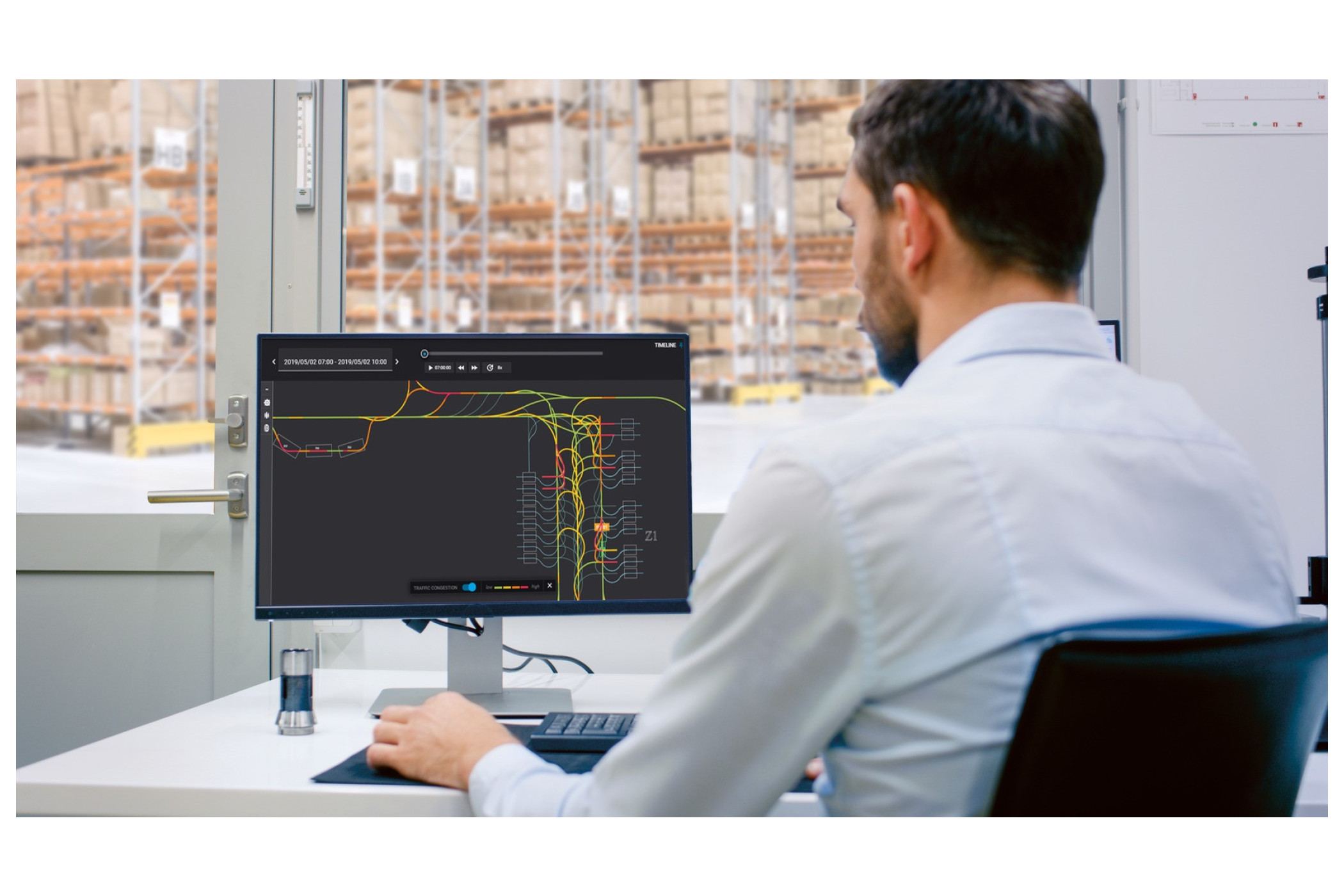

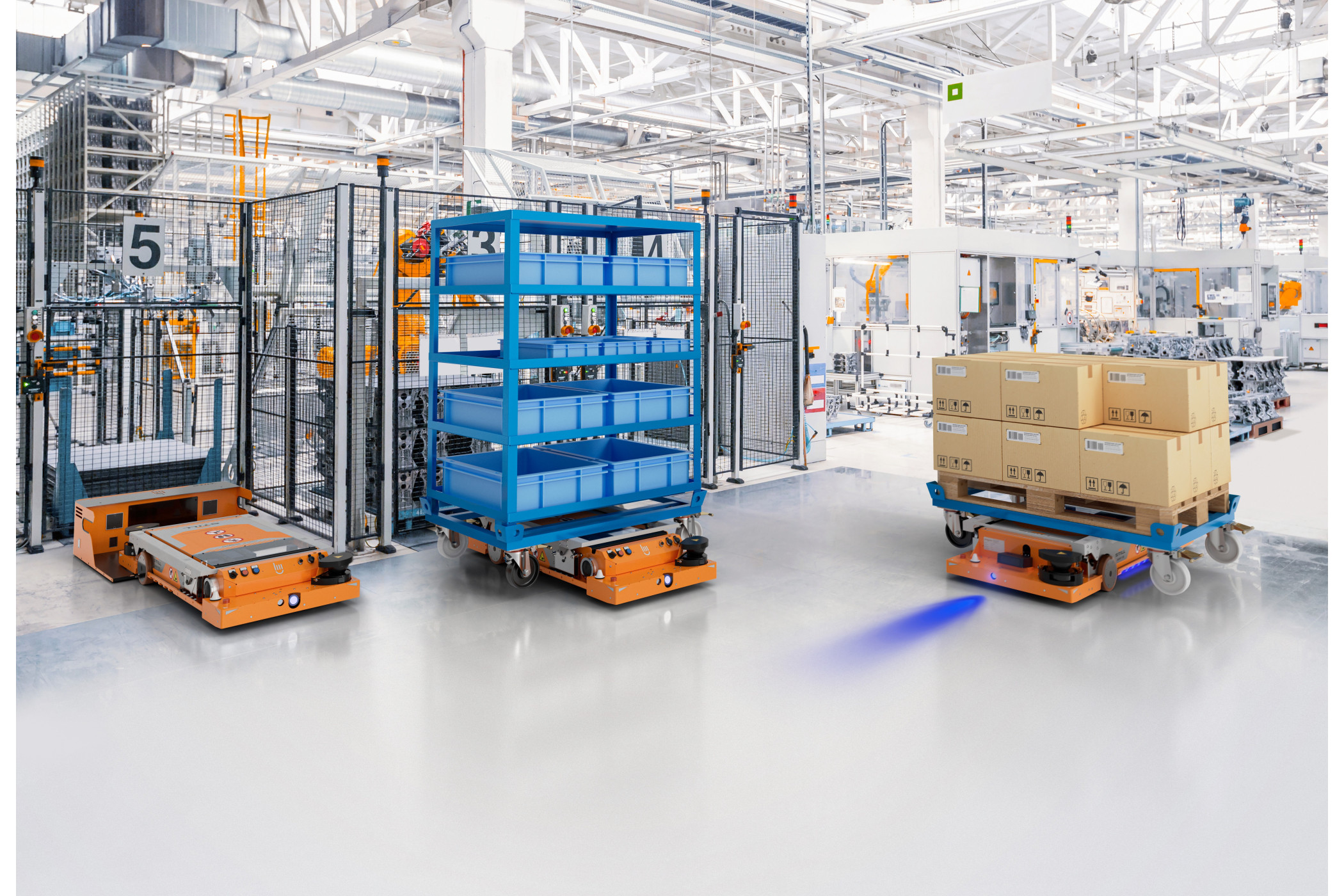

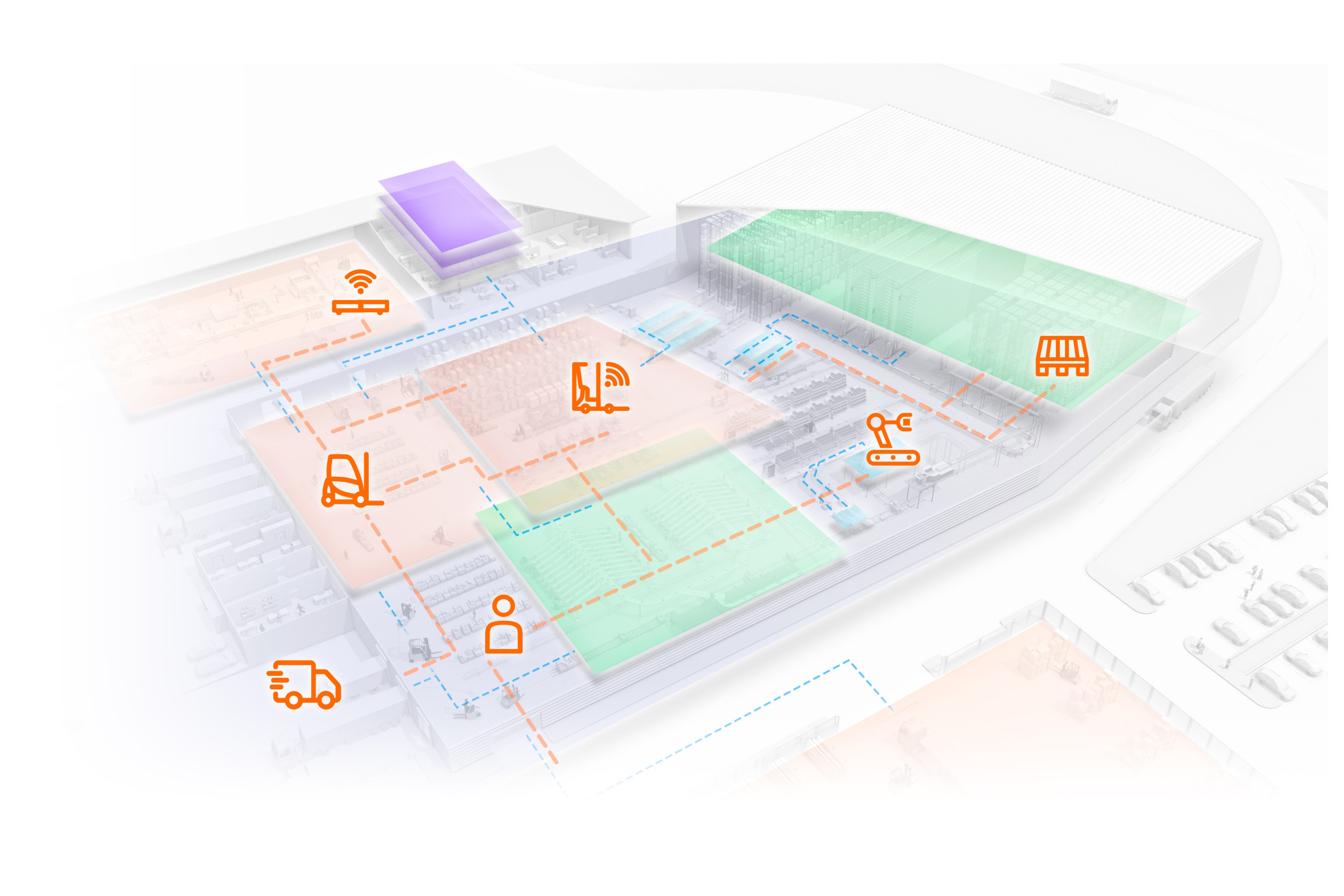

According to Still, the tasks include, among other things, route planning, detecting faulty items, avoiding collisions, and coordinating stationary and mobile systems. The software thus directly influences the processes within automated material flows.
The design of the control system should therefore be considered during project planning, according to the company. The software levels required depend, among other things, on the complexity of the system, the volume of material flows, and the respective requirements for throughput, transparency, and error handling.
The need for control grows with automation
Specific requirements arise when companies gradually expand their automation. Individual fleets of driverless transport vehicles can initially be operated independently via their own fleet control. If additional hardware components are added that this control cannot integrate, Still indicates that an additional control level is required.
As the number of automated components increases, so does the volume of data to be processed. According to the company, shuttle systems transmit several hundred status and location details per transport order. Driverless transport vehicles continuously exchange location data via their control system. The control software must process this information and coordinate the involved systems.
Additional requirements arise in facilities where vehicles and systems from different manufacturers collaborate. For cross-manufacturer coordination of vehicle fleets, so-called Master Fleet Controllers are often used according to STILL. In practice, these often use the VDA 5050 communication standard.
Scalability for Growing Facilities
According to the company, as facility complexity increases, so do the requirements for higher-level control systems. Therefore, STILL considers the scalability of the software to be a crucial criterion in planning automated material flows. The architecture should be adaptable to allow for expansion when additional processes, vehicles, or facilities are automated.

Branchenverzeichnis