Suche
Newsletter abonnieren
News
Branchenverzeichnis


Sonderhefte/Specials
Shuttle-Profis


"Rackbot" systems: Gradually increase storage capacity and throughput




Plant Conversion during Non-Operational Time Windows
The adjustment of safety fences and the commissioning of additional storage areas take place during non-operational times, for example on weekends. Subsequently, the necessary software adjustments are made and tests are conducted before the new areas are put into productive use.
With this approach, expansions can be prepared while the existing storage areas continue to be used. The interventions necessary for the conversion of the existing facility are concentrated during non-operational time windows.
Additional Robots and Workstations Increase Throughput
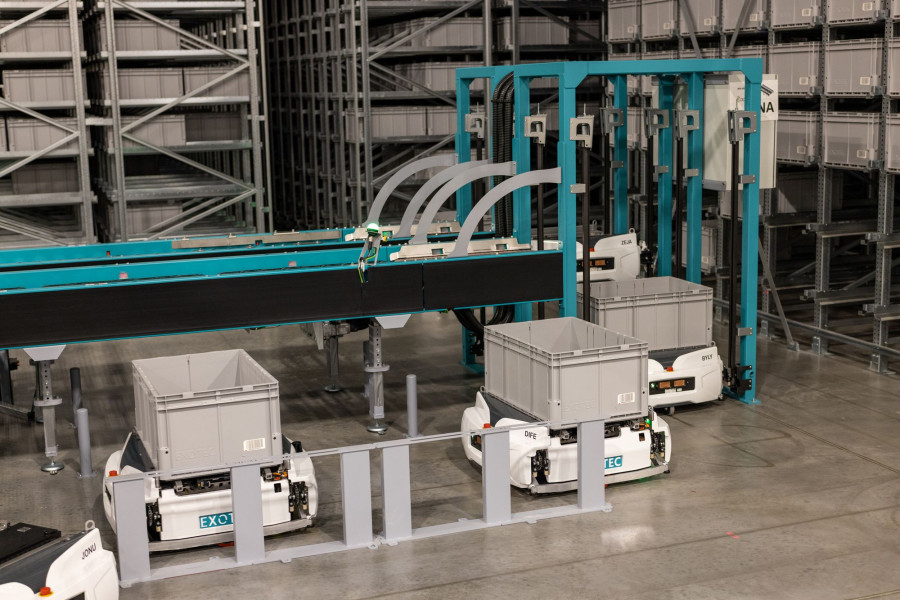
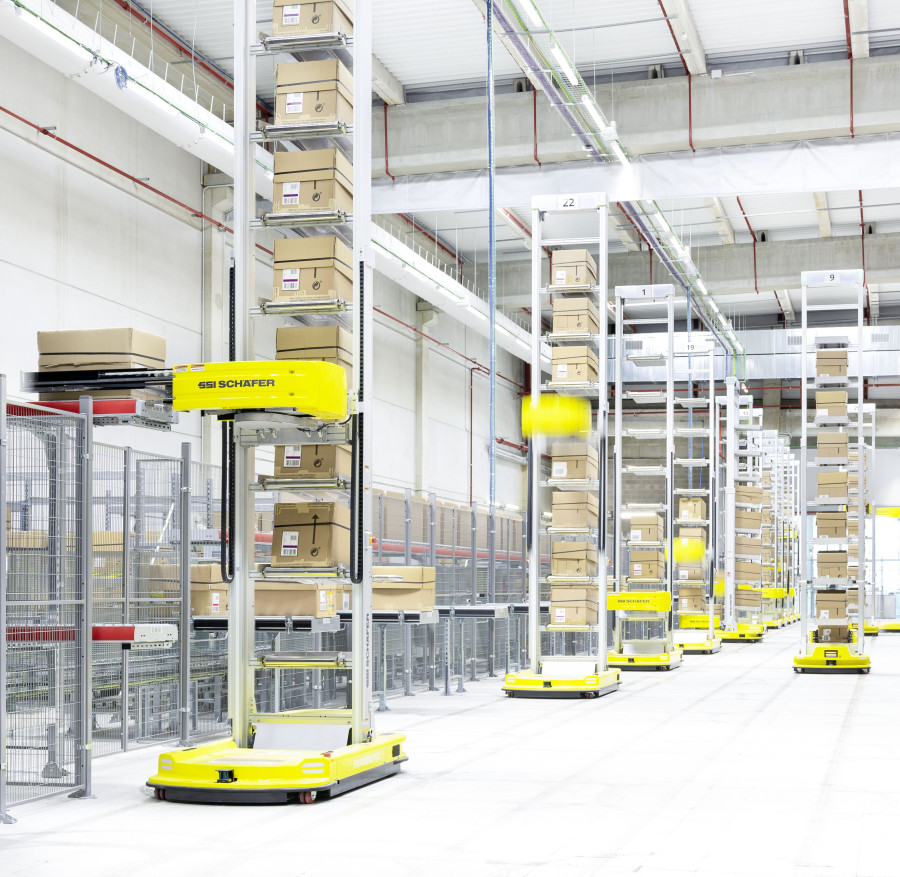
According to SSI Schäfer, in addition to storage capacity, the throughput performance of the “Rackbot” systems can also be adjusted. Companies can integrate additional mobile robots into the existing system for this purpose.
After delivery, the new vehicles should be able to be commissioned and integrated into the existing system within a short time. Another way to increase performance is to set up additional workstations. These can first be constructed and then activated during non-operational times. This way, existing picking capacities can be expanded without replacing the entire system.
The combination of additional robots, workstations, and storage areas allows capacity and throughput to be independently adapted to changing requirements.
Automation with Fluctuating Order Volumes
With modular expandability, SSI Schäfer specifically addresses companies whose warehouse processes are characterized by increasing order quantities or pronounced order peaks. Instead of designing the technical infrastructure for possible future maximum performance during the initial installation, additional capacities should be able to build up gradually.
The manufacturer also sees this as a way to respond to limited personnel resources. By automating material handling and warehouse processes, companies should be able to cushion staff shortages and maintain their operations stable with increasing order volumes.
Transmec Increases Storage Capacity by 84 Percent
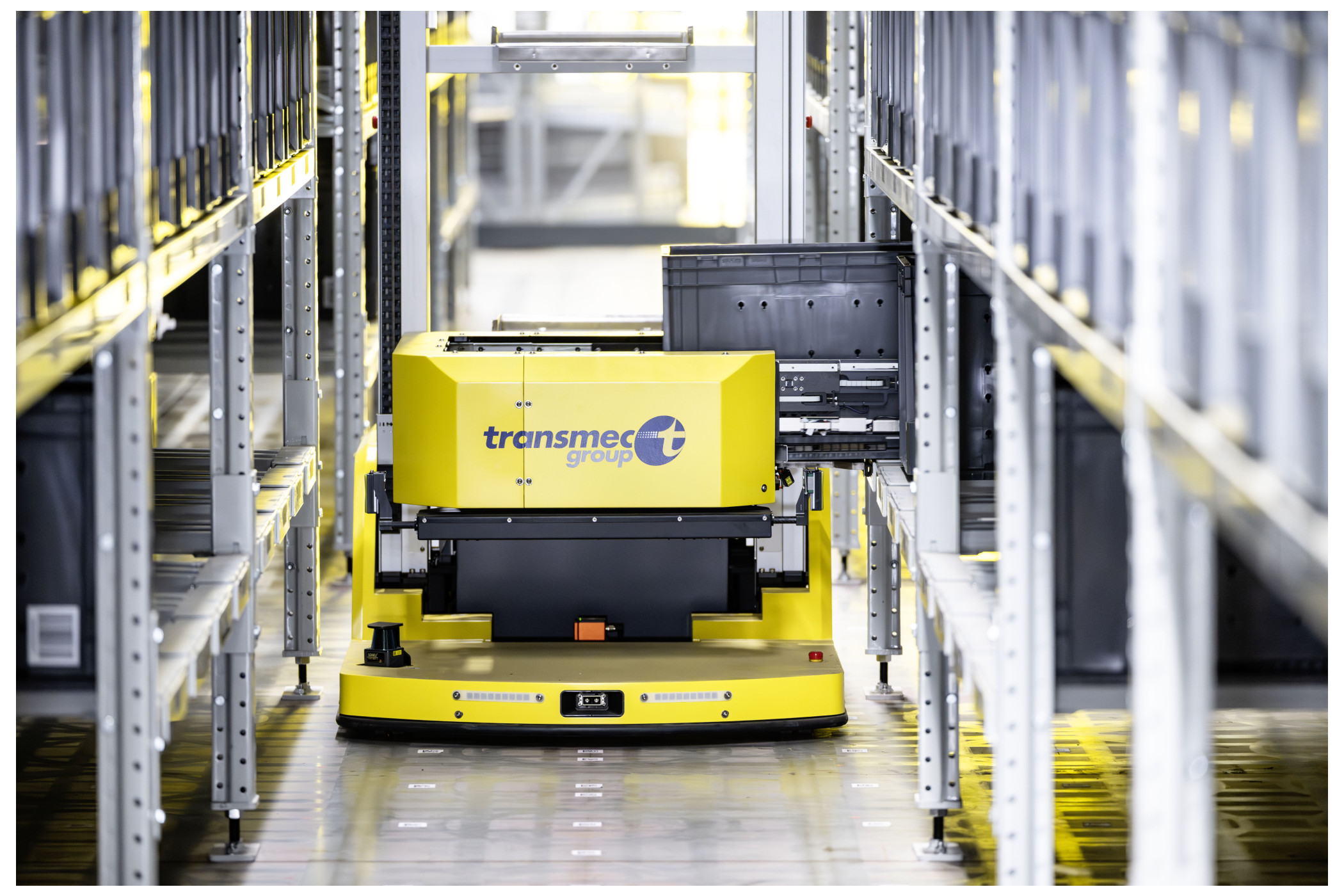
As a practical example of the use of the "Rackbot" systems, SSI Schäfer cites the logistics service provider Transmec. According to the manufacturer, despite a significant reduction in warehouse space, an increase in storage capacity of 84 percent was achieved there. At the same time, picking performance increased by 50 percent.
The provider attributes the performance increases to the interaction of high area utilization, modular expandability, and flexible warehouse layout design. The solution utilized combines mobile robotics with modular built rack systems.
With the "Rackbot" concept, SSI Schäfer aims, according to its own statements, to adapt automated warehouse solutions to changed capacity and performance requirements. Existing systems should be able to be expanded with additional storage areas, robots, and workstations, without requiring a complete replacement of the installed system.
Translated automatically from German.
Branchenverzeichnis