Suche
Newsletter abonnieren
News
Branchenverzeichnis


Sonderhefte/Specials
Shuttle-Profis


Fotostrecken

Fraunhofer study: Exoskeleton reduces activity of back muscles by up to 41.5 percent

Muscle Activity Significantly Reduced When Lifting
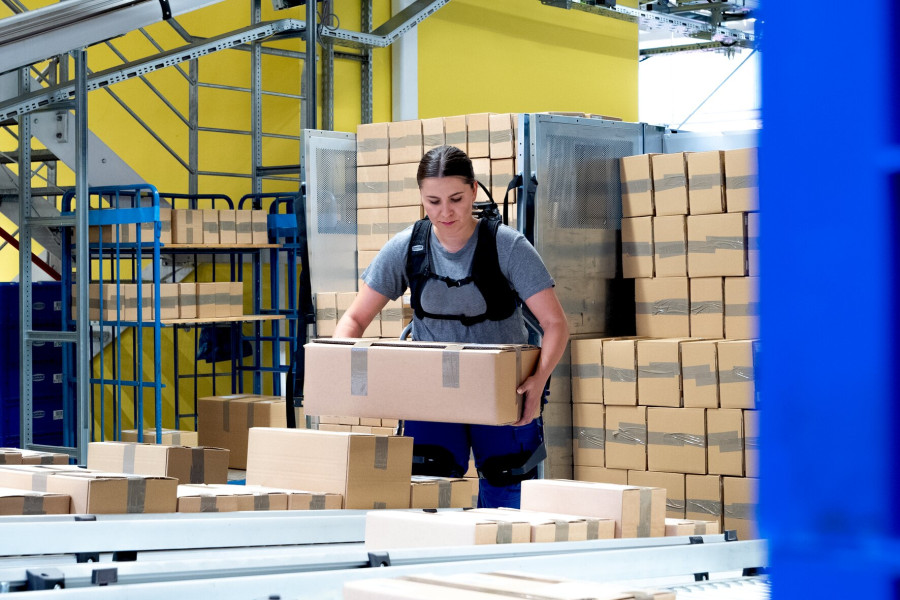
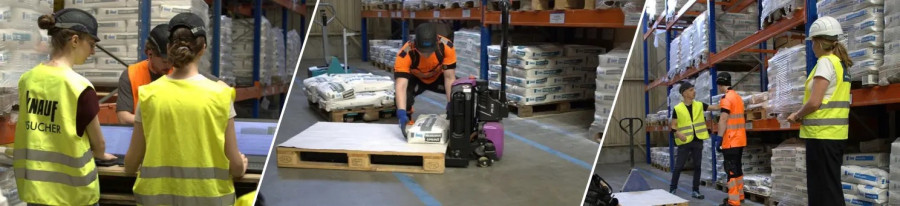
According to the statement, the measurements showed reduced muscle activity in all investigated scenarios when using the exoskeleton. The greatest relief for individual back muscles was 41.5 percent. This value was determined during a lifting process involving a deep extraction and subsequent deep placement of construction material bags.
The results indicate that mechanical support can reduce muscular strain, especially during physically demanding lifting movements. However, the stated maximum reduction refers to individual back muscles and a specific work situation. Therefore, it cannot be directly applied to the entire back musculature or all lifting activities.
Reduced Spinal Curvature and Torso Rotation
In addition to muscle activity, the researchers examined how the exoskeleton affected body posture. The curvature of the spine when lifting with mechanical assistance was on average up to 35 percent less than during comparable movements without an exoskeleton.
The scientists also observed changes in upper body rotation under load. Torso rotation decreased by up to ten degrees. According to the sponsors, the exoskeleton thus supported a more upright posture and reduced pronounced rotational movements during the handling of loads.
Such body positions are relevant for the ergonomic assessment of manual lifting activities, as the interaction of load weight, body posture, and movement particularly influences the strain on the musculoskeletal system. According to the report, the tested exoskeleton did not restrict the freedom of movement of the employees.
Significance for Physically Strenuous Logistics Processes
The study concerns a work area where numerous manual activities remain despite increasing automation. This includes tasks such as removing, lifting, relocating, and placing loads. Such burdens occur not only in logistics but also in industry and crafts.
According to the clients, heavy physical labor is part of the professional routine for about every fourth working person in Germany. At the same time, the shortage of skilled workers and demographic changes increase the importance of ergonomic working conditions.
The economic consequences of physical strain are also a subject of discussion. According to a press release, back pain and musculoskeletal disorders caused an economic loss of 58.4 billion euros in the year 2025. However, the announcement does not specify a concrete data basis or calculation method for this information.
Results Show Ergonomic Potential
The measurement data indicate that exoskeletons can reduce muscular strain and certain unfavorable body postures during manual lifting operations. This opens up possible applications for workplaces where heavy loads have to be moved by hand regularly.
The clients also see potential for reducing physical fatigue as well as stabilizing concentration and work quality.
Translated automatically from German.
Branchenverzeichnis