Suche
Newsletter abonnieren
News
Branchenverzeichnis


Sonderhefte/Specials
Shuttle-Profis


Physical AI: New Hub in Stuttgart to Industrially Test Mobile and Humanoid Robots

















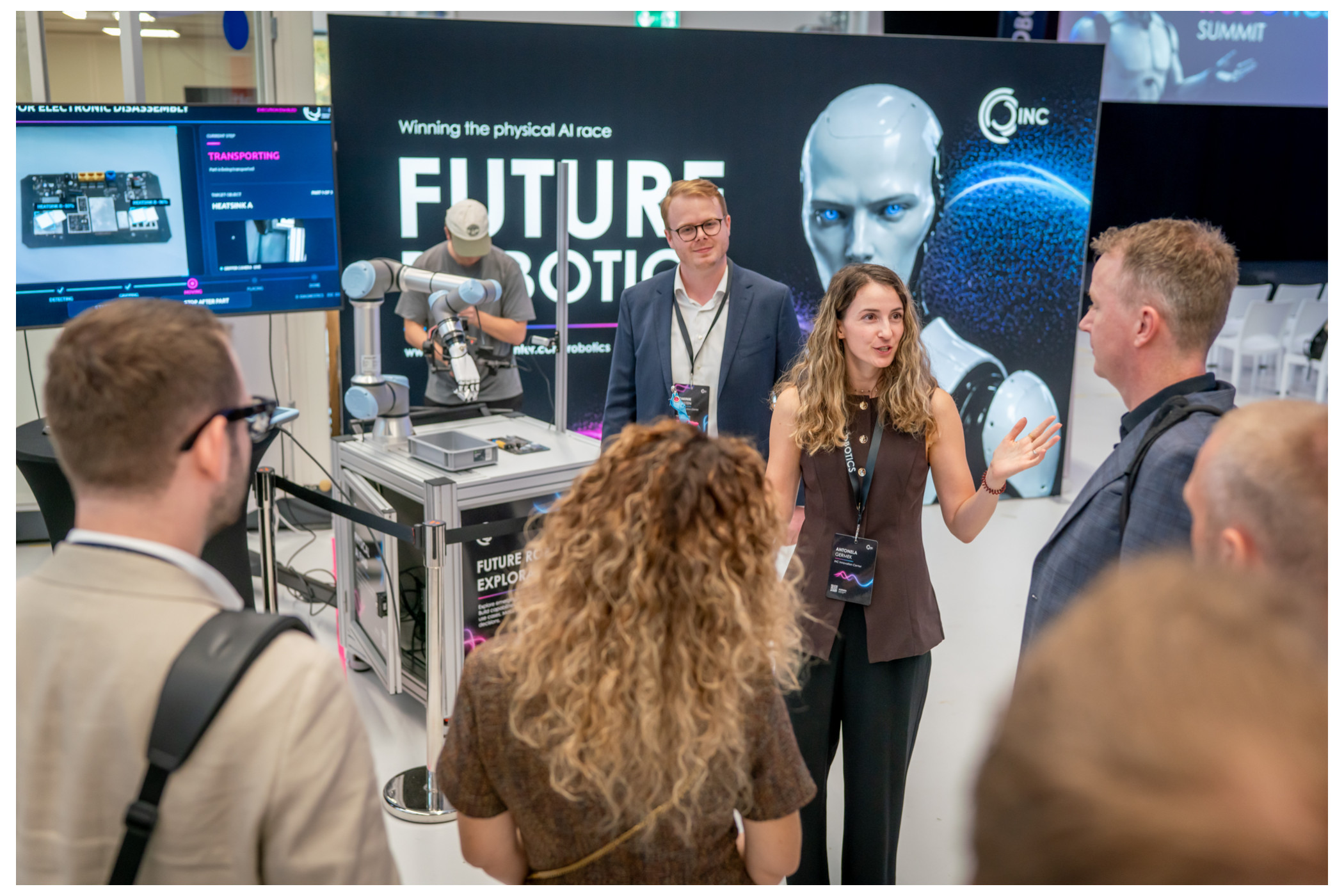

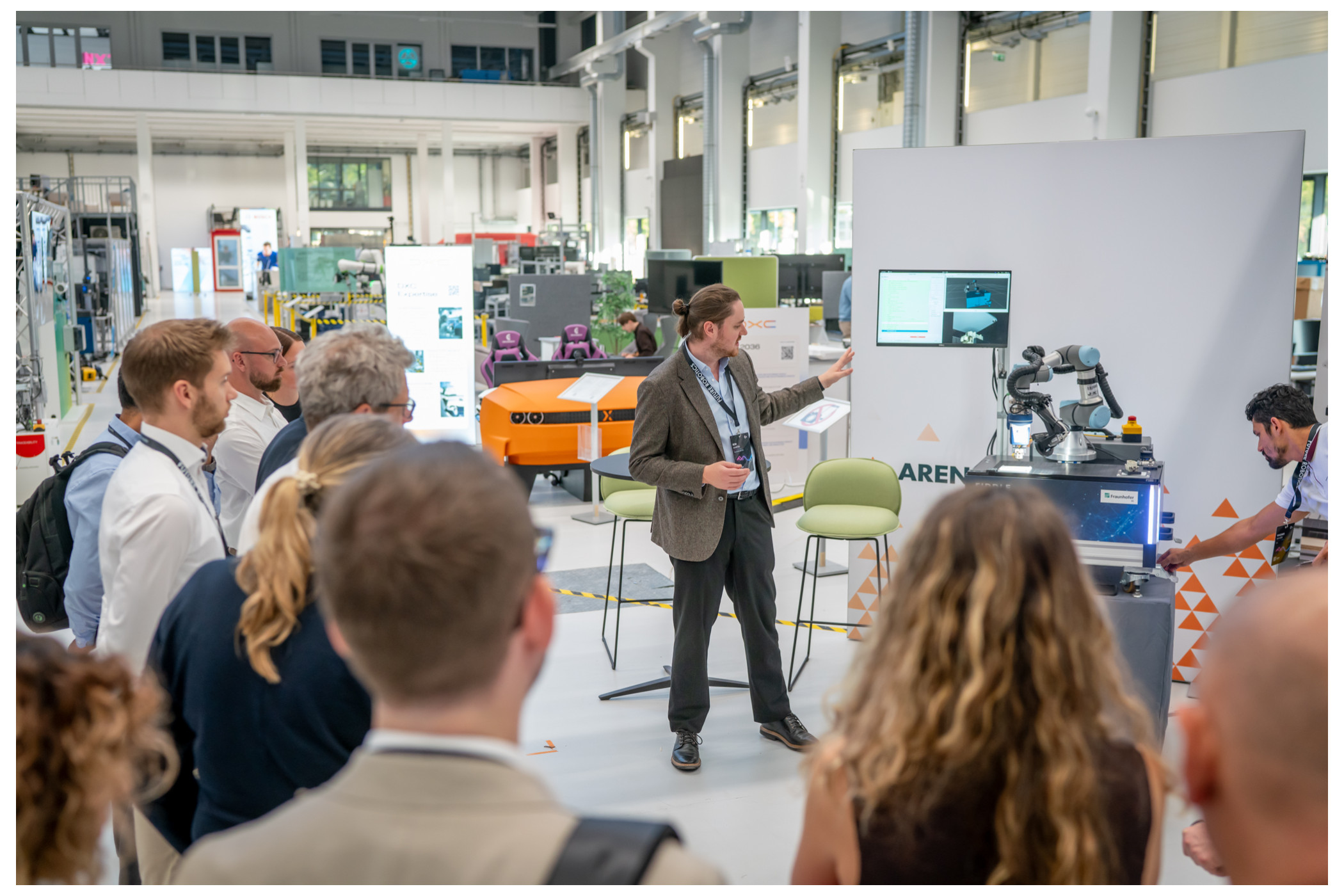

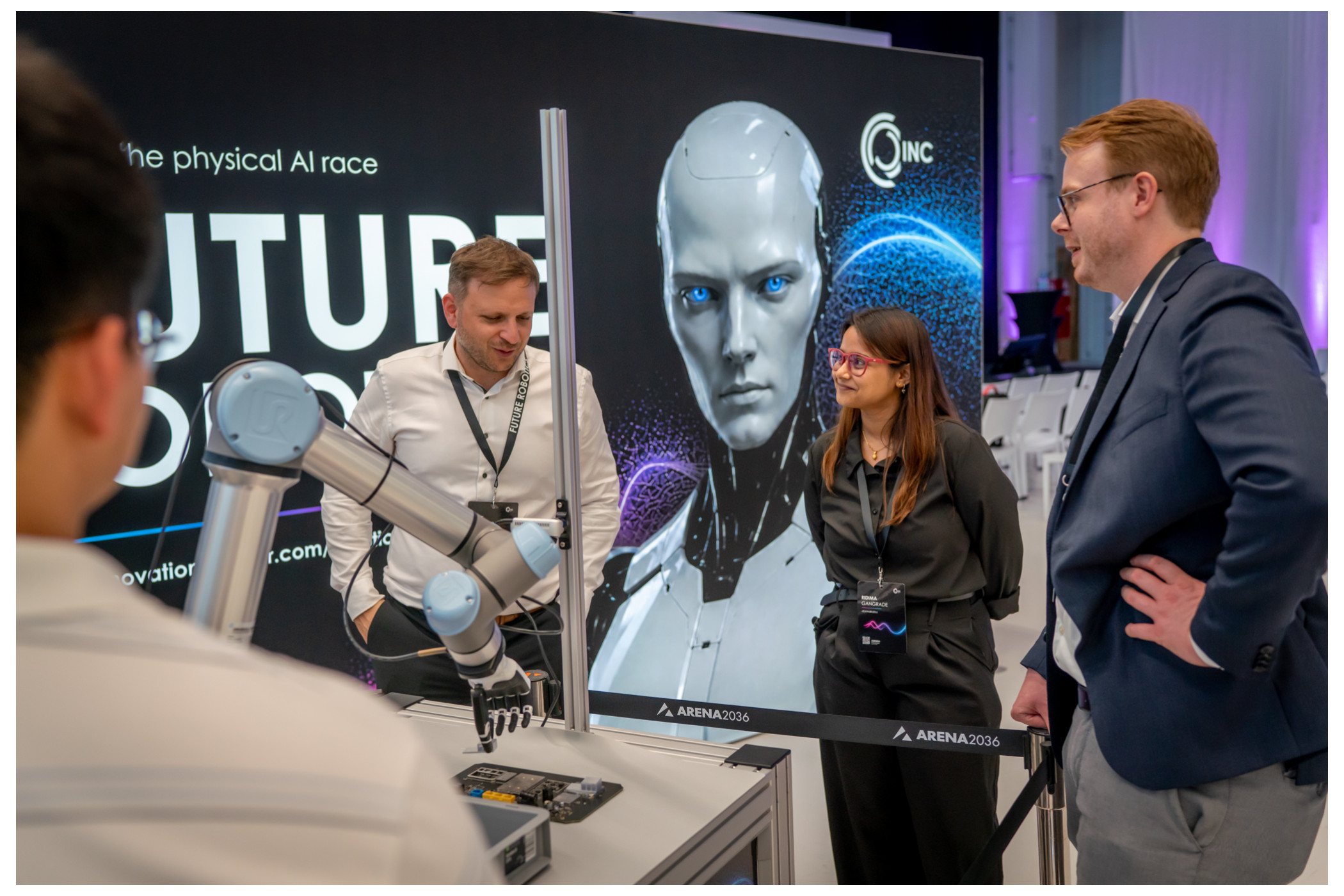

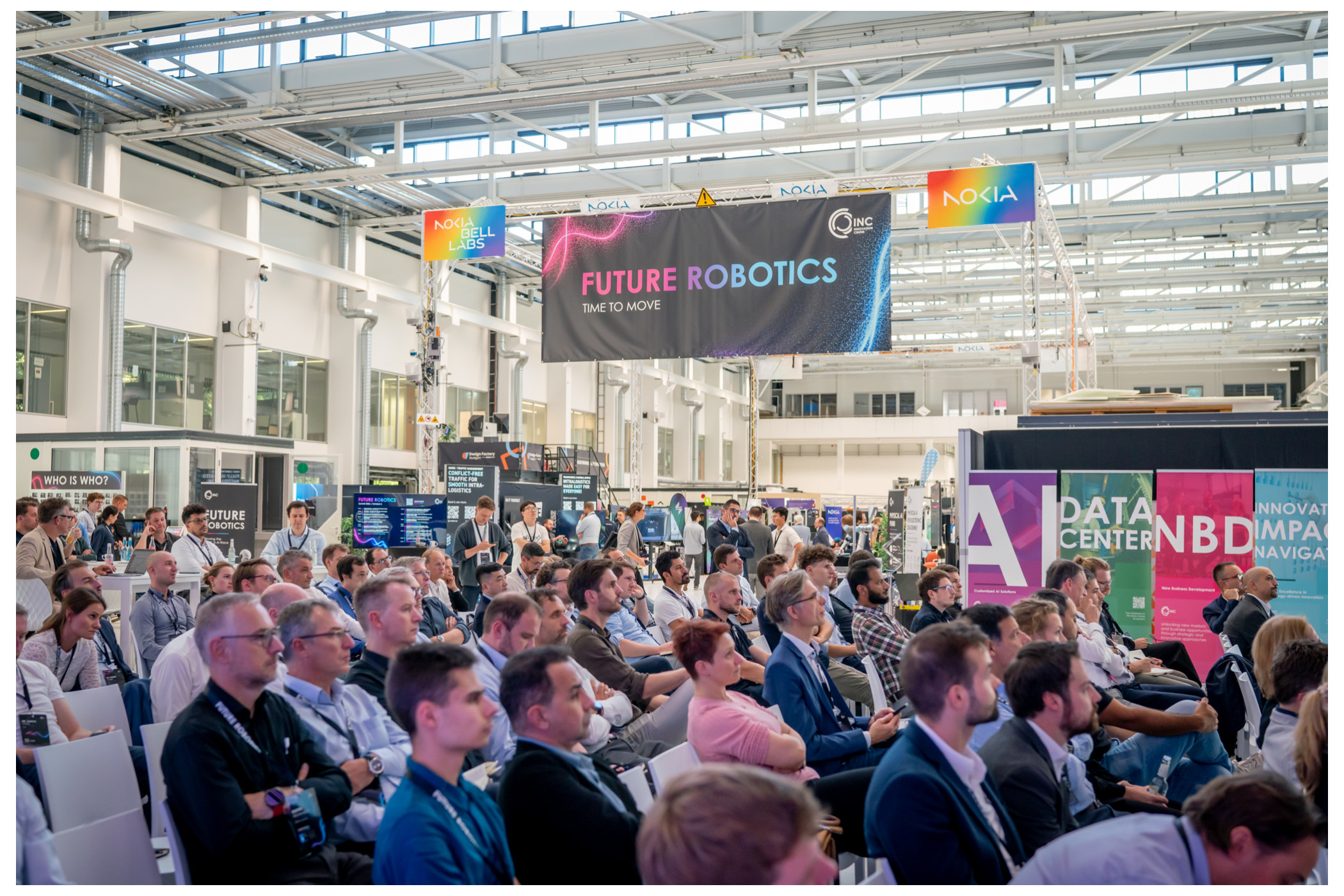




Motion Data for Training Artificial Intelligence
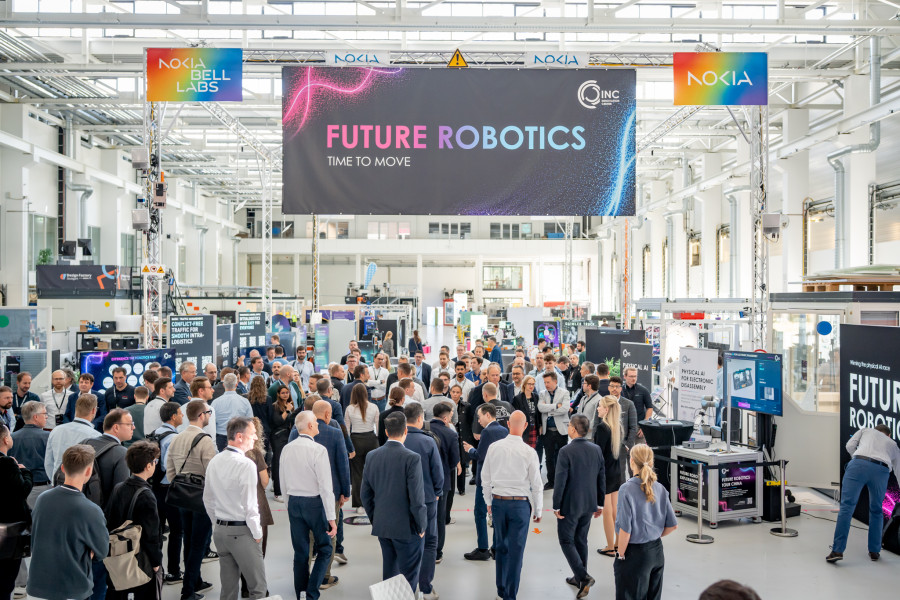
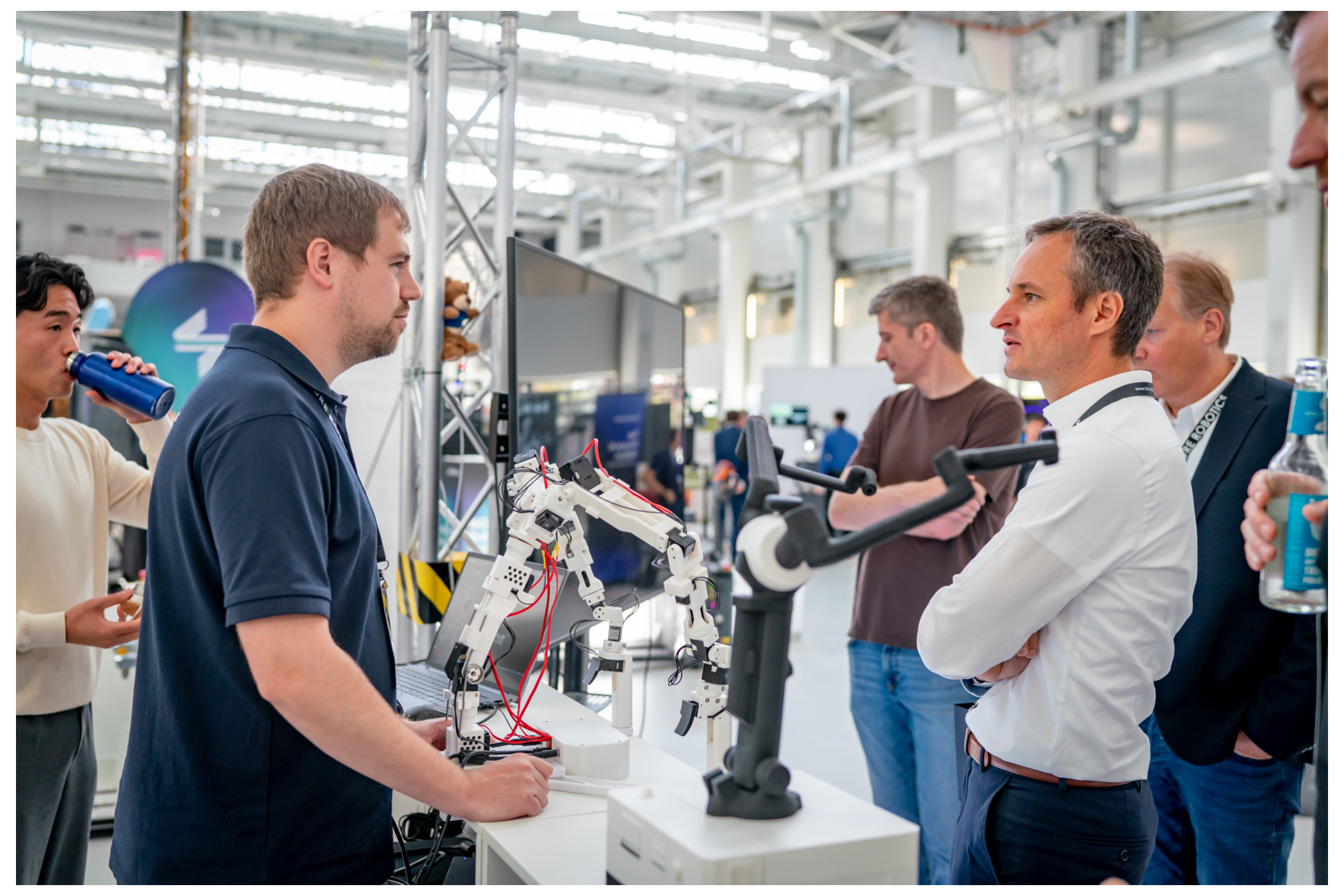
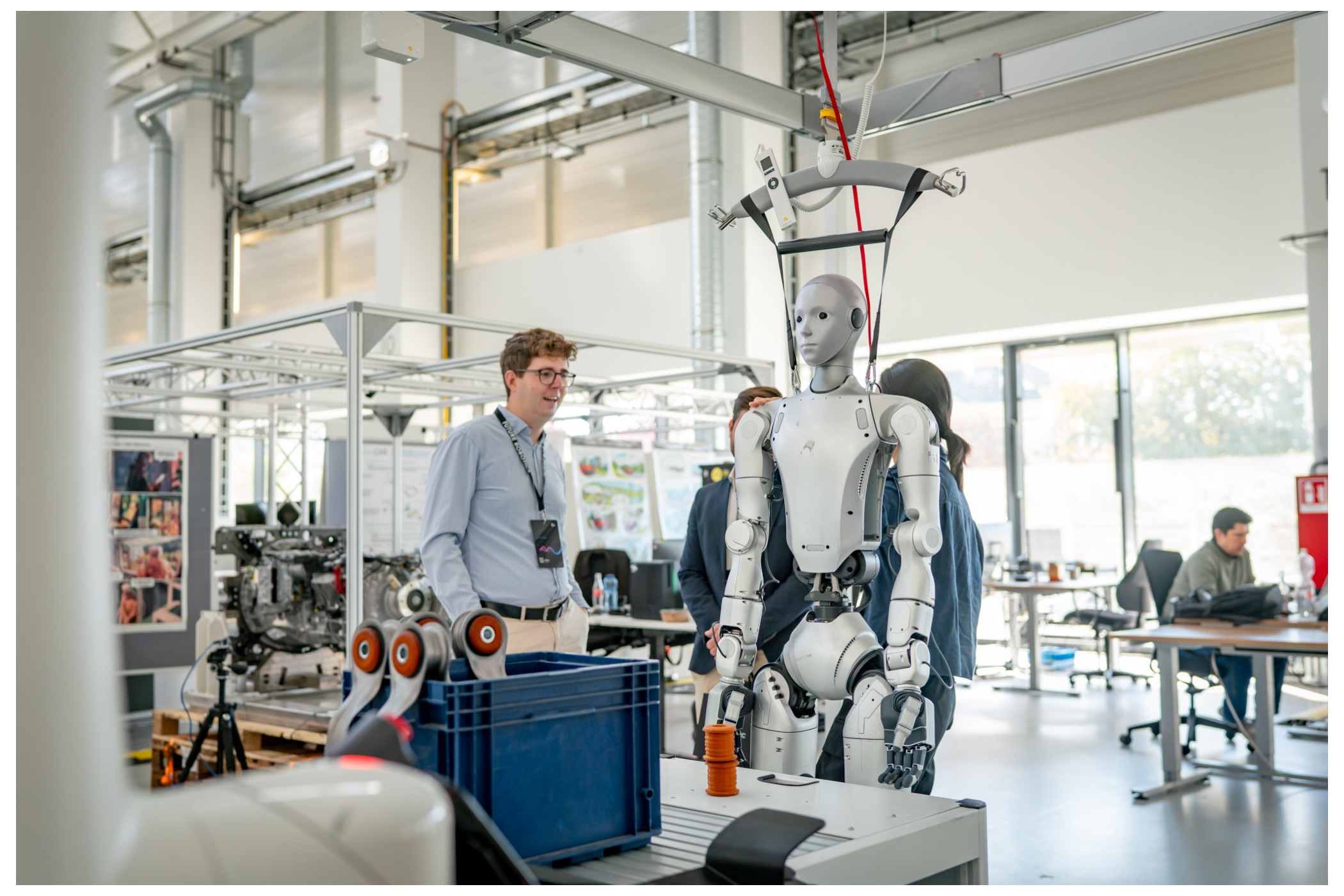
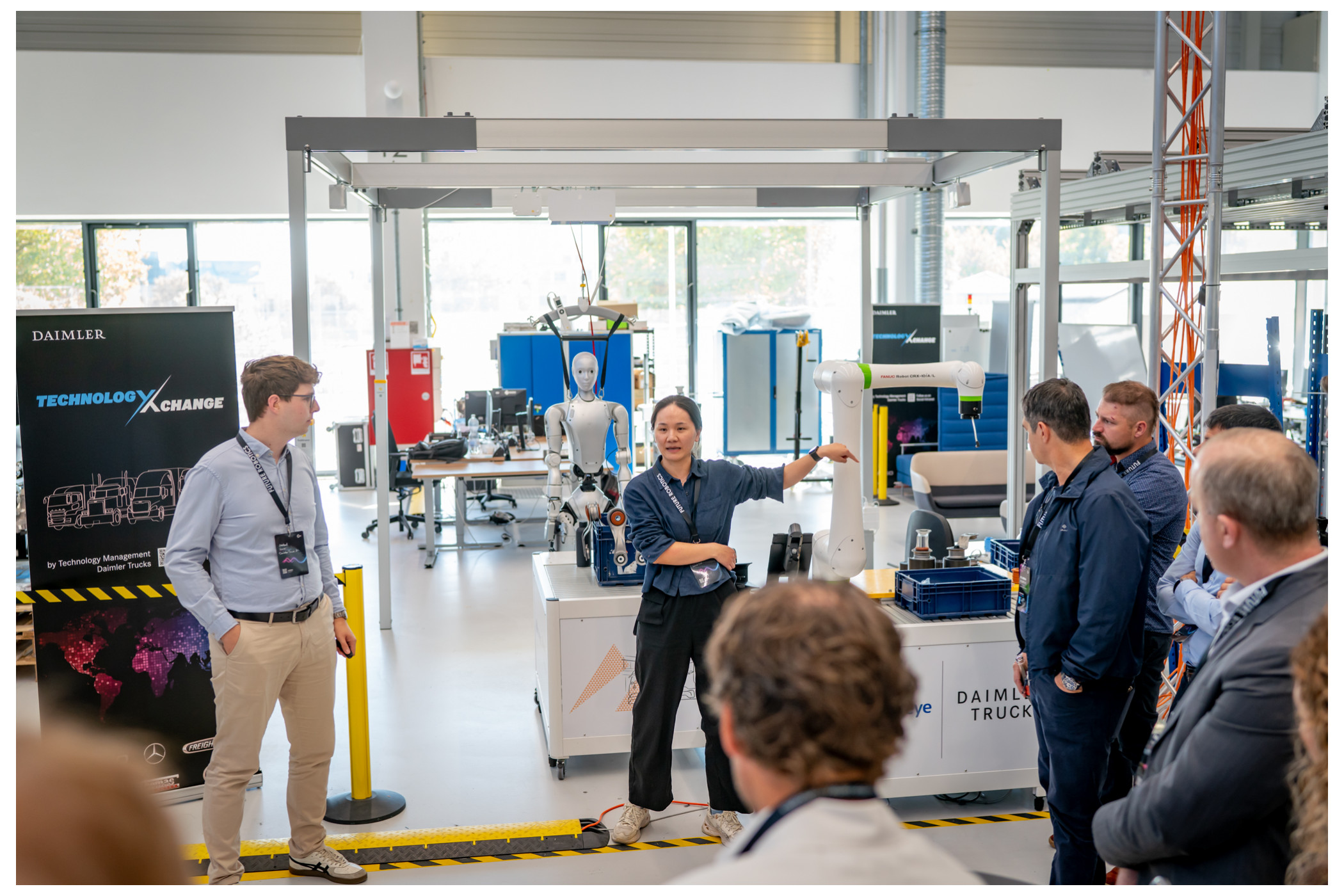
The technical concept of the hub connects the collection of industrial process data with the training of Physical-AI models, comparative robotics tests, and subsequent validation under industrial conditions.
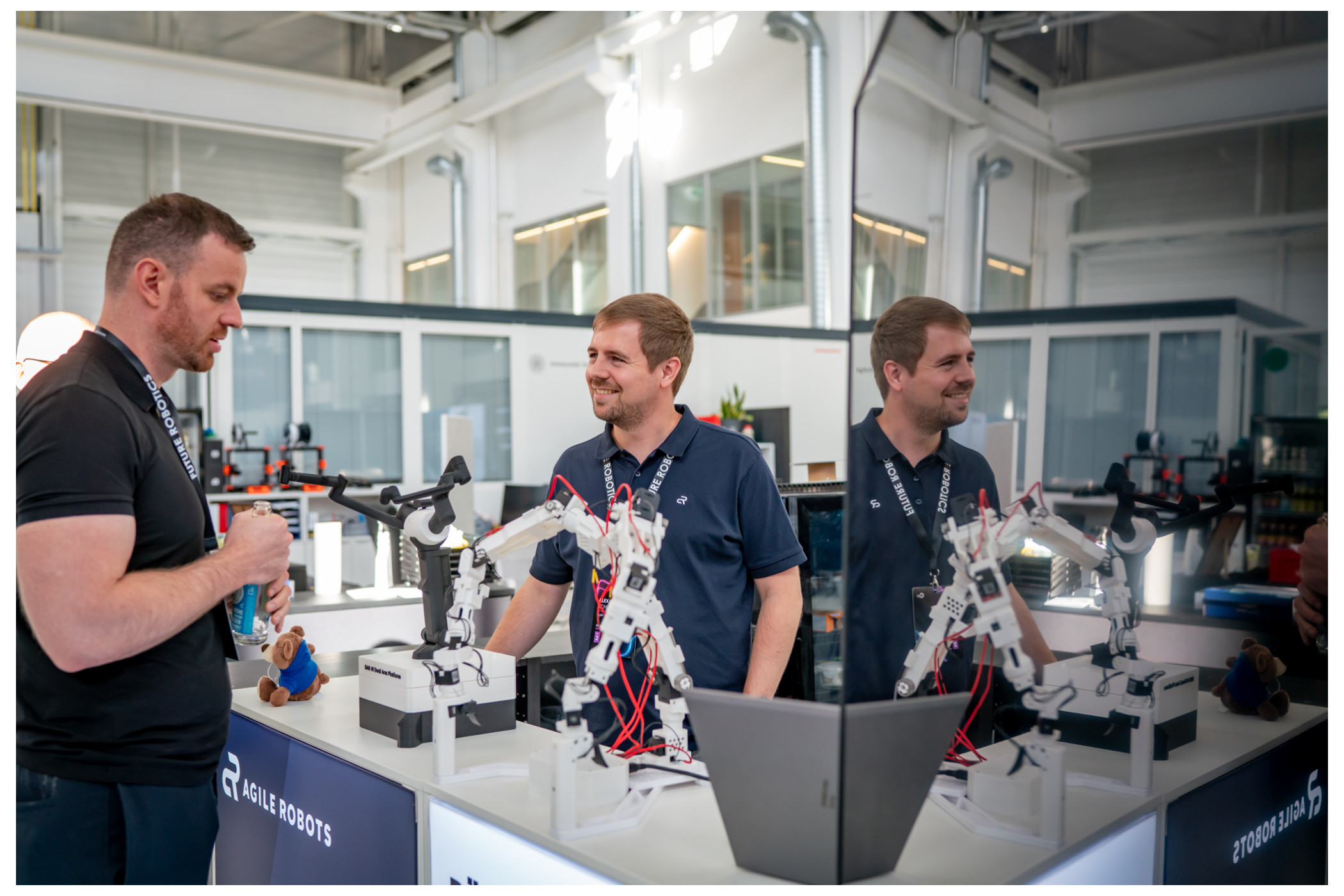
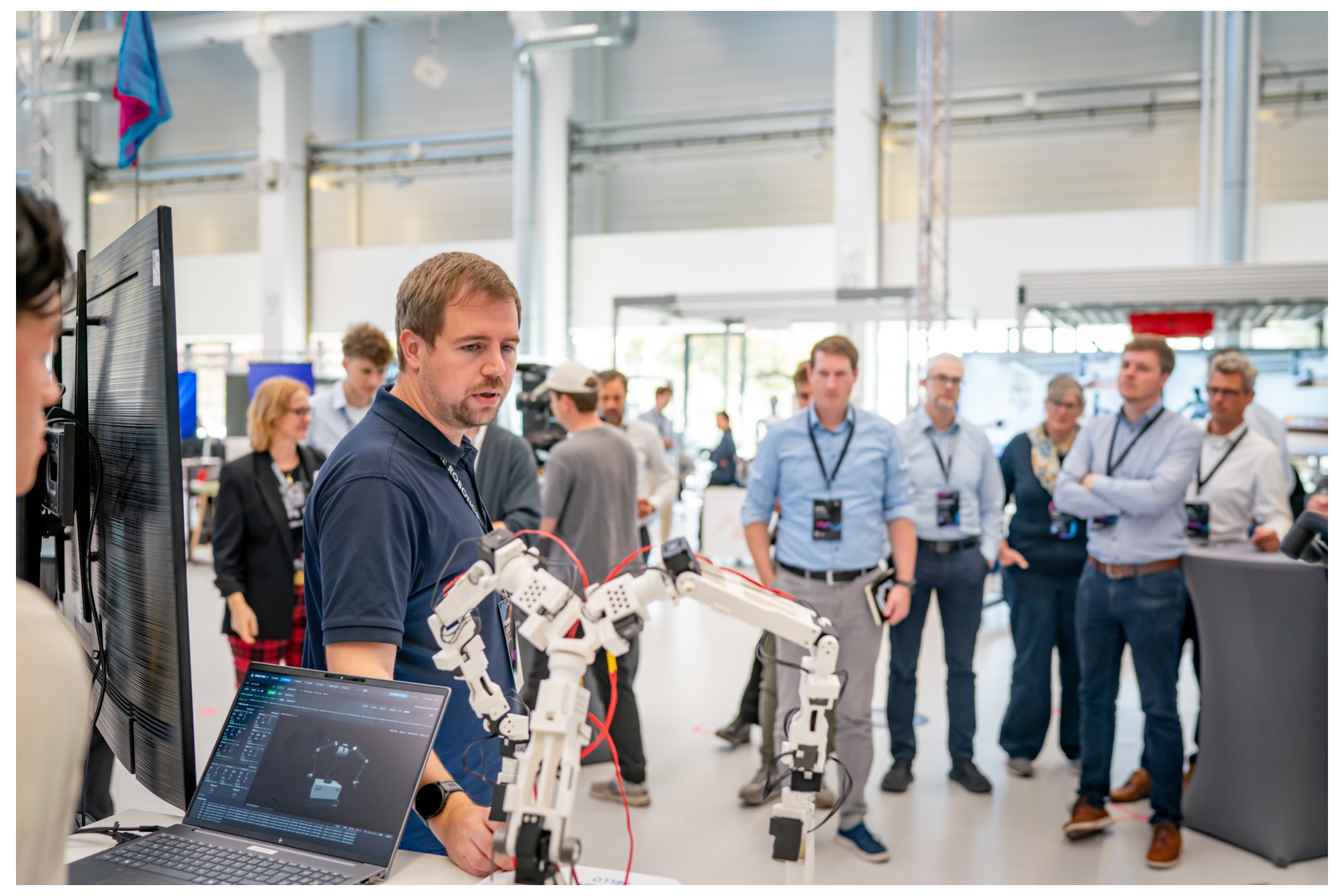
For data collection, teleoperation and motion capture are planned among other methods. In teleoperation, robotic systems are remotely controlled, while motion capture allows for the recording of movement sequences. The motion and process data obtained in this way are intended to serve as the basis for training and optimizing artificial intelligence models.
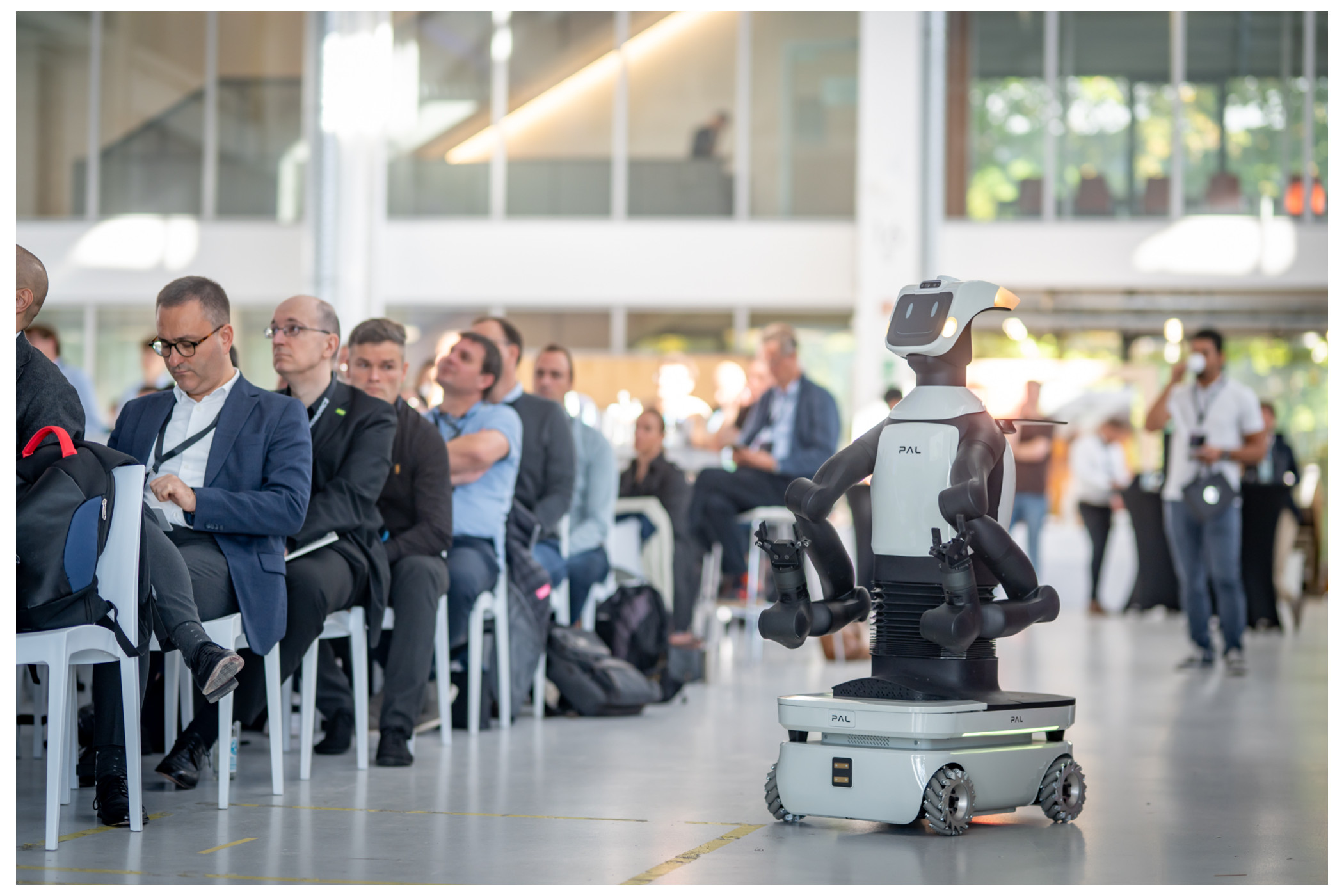
Subsequently, different robotics platforms are to be tested under comparable conditions. The operator aims to investigate which combinations of robotic systems, software, and components are suitable for specific industrial tasks.
The investigations are also expected to provide insights into technical limitations and prerequisites for later use in production. So far, the INC Innovation Center has not provided specific performance metrics or results of such comparisons.
Training Programs to Develop Robotics Competencies
In addition to practical tests, building specialist competencies in the participating companies is part of the concept. For this purpose, training sessions are planned where employees can gain experience with simulation, motion capture, and learning robotics systems.
The content emphasis includes Imitation Learning and Reinforcement Learning, among others. In Imitation Learning, systems learn based on given examples or demonstrated movement sequences. Reinforcement Learning refers to learning methods where systems are trained through feedback on their performed actions.
Additionally, participants are to become familiar with the use of Physical-AI models for robotics programming. The hub aims to enable companies to build their own technical competencies and assess potential applications before making significant investment decisions.
Private Sector Cooperation Model
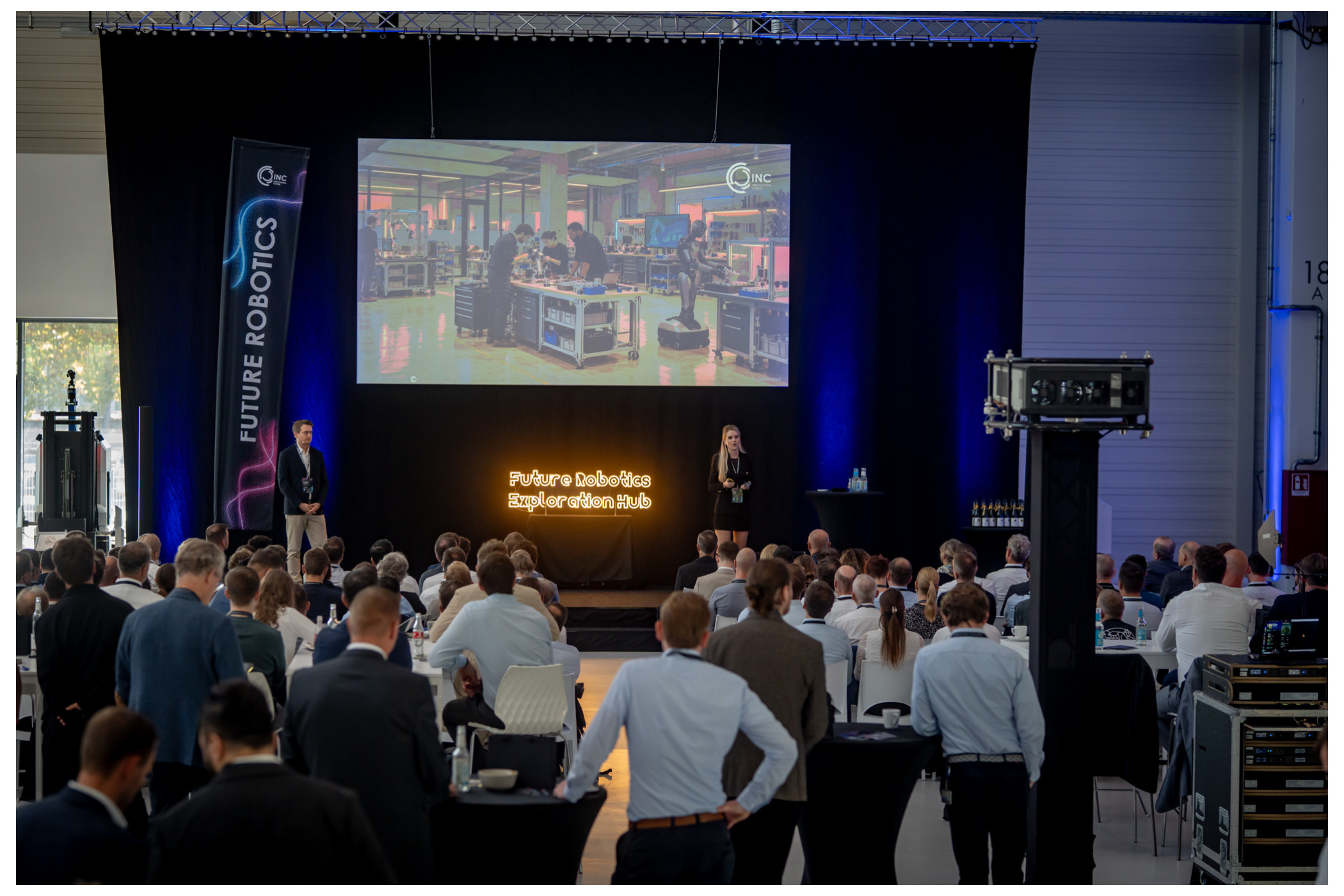
According to the INC Innovation Center, the Future Robotics Exploration Hub is privately funded and is being developed in collaboration with the participating companies. The announcement does not mention any public funding.
The industry partners are expected to contribute specific challenges, use cases, and requirements from their production processes. Technology partners will provide robotics platforms, hardware, software, and artificial intelligence technologies.
The INC Innovation Center, as the initiator and operator, is responsible for setting up the infrastructure, integrating the various technologies, and providing technical support for the cross-application studies.
By sharing the test environment, companies should be able to investigate new robotics technologies without having to build a complete infrastructure of their own. The announcement does not contain information on the amount of investment, the size of the facility, or the number of planned robotic systems.
New Requirements for Industrial Components
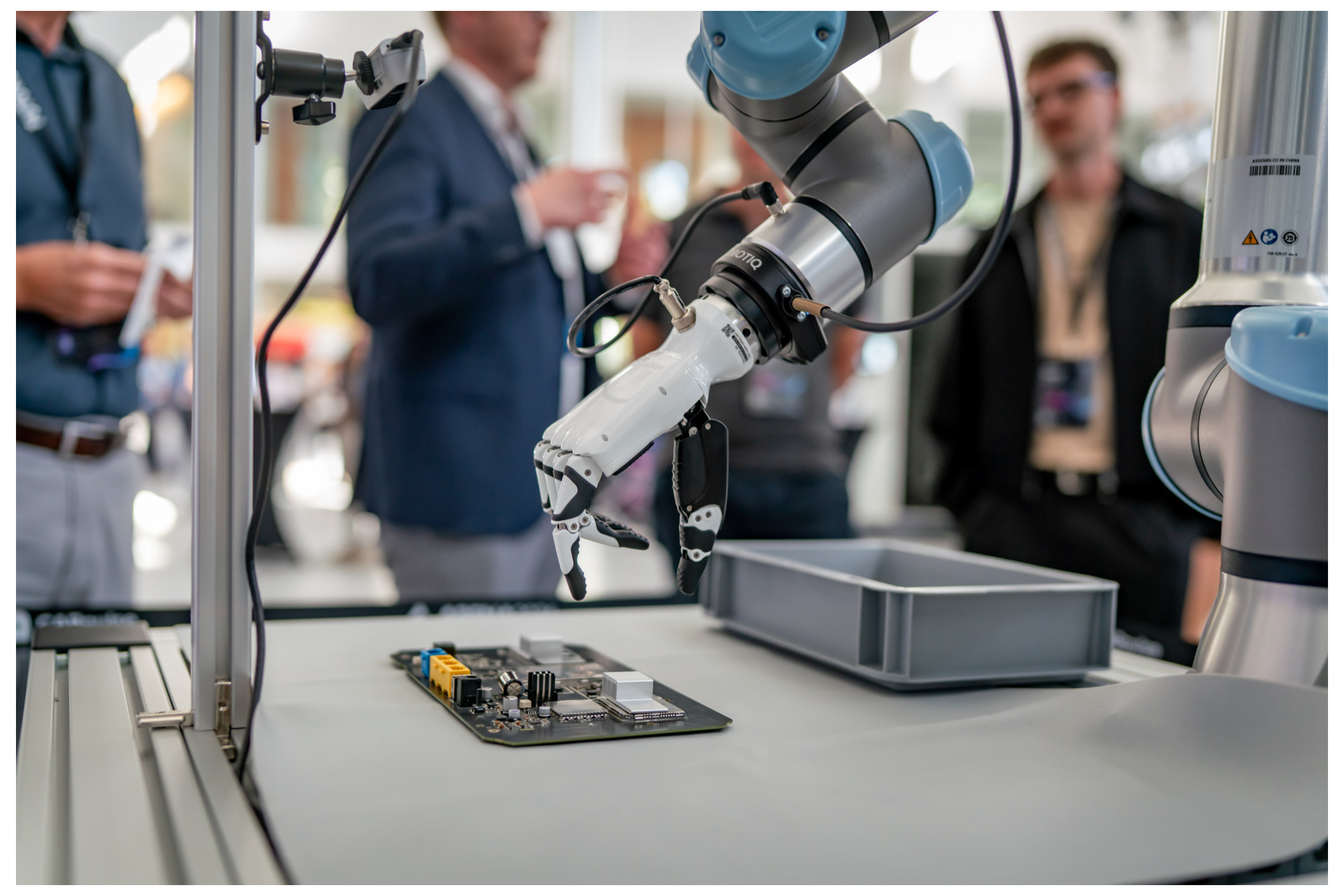
In addition to automating existing production processes, the hub is also set to explore potential changes in industrial products and components. According to the initiators, the increasing use of adaptive robotic systems could bring new requirements for sensors, drive technology, gripping systems, interfaces, and software.
This initiative is therefore not solely aimed at potential users of mobile and humanoid robotics. Component manufacturers and technical service providers should also have the opportunity to examine their products in conjunction with new robotic systems and identify potential application fields.
Thus, the hub is designed to support both the technical evaluation of specific automation tasks and the development of relevant skills and products. The focus is initially on testing and validating the technologies. Whether and to what extent industrial applications result from it will be assessed based on the study results.
Translated automatically from German.
Branchenverzeichnis