Suche
Newsletter abonnieren
News
Branchenverzeichnis


Sonderhefte/Specials
Shuttle-Profis


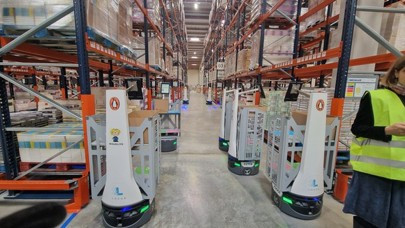
Locus Robotics increases picking performance at Penguin Random House by 102 percent

Small-scale orders shape book commissioning
Penguin Random House Grupo Editorial is responsible for book distribution in Spain and other international Spanish-speaking markets. The company manages tens of thousands of titles and processes, among other things, orders from bookstores. These often include numerous different books in small quantities.
In addition, demand fluctuations occur due to new releases, marketing campaigns, and seasonal sales peaks. This leads to changes in the product mix and order composition, as well as the timing of orders. In manual commissioning, such structures result in more fragmented picking routes and longer walking distances. At the same time, fluctuating order patterns make it difficult to achieve uniform throughput across different work shifts.
With the implementation of autonomous mobile robots, the publishing group has adapted its commissioning processes to these requirements. The fleet can be expanded according to demand and supports the processing of different order structures.
Existing robot fleet adopted during site relocation
Another requirement arose from the move to a new logistics center in Barcelona in October 2024. Penguin Random House Grupo Editorial transferred the already deployed robot fleet to the new location, instead of building a completely new automation infrastructure.
According to the automation provider, the existing vehicles were put back into operation in a short time. Therefore, order processing could continue uninterrupted during the site relocation. Subsequent expansion of the robot fleet then took place at the new location. The publishing group increased both the number of vehicles deployed and the number of item storage locations served by the system.
Combination with High-Density Storage Systems
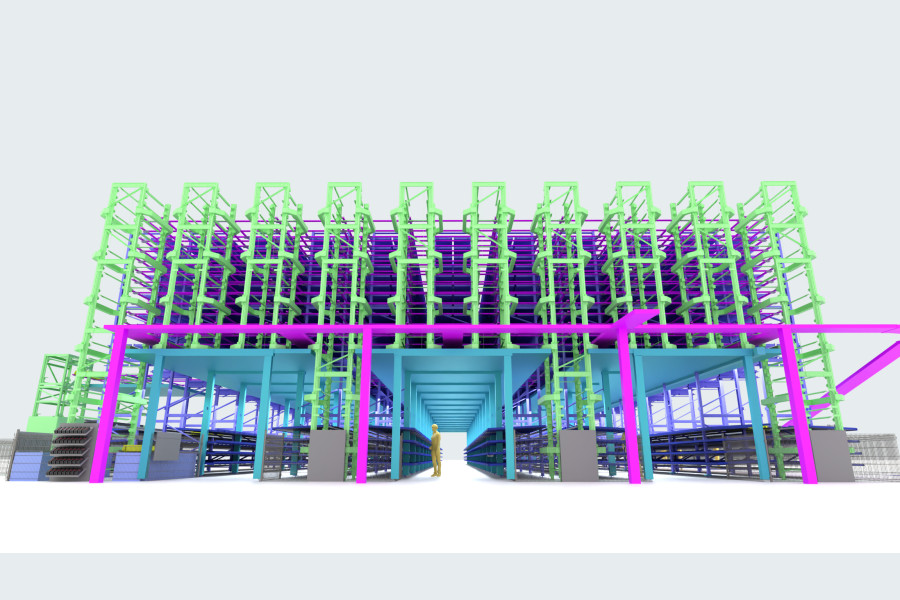
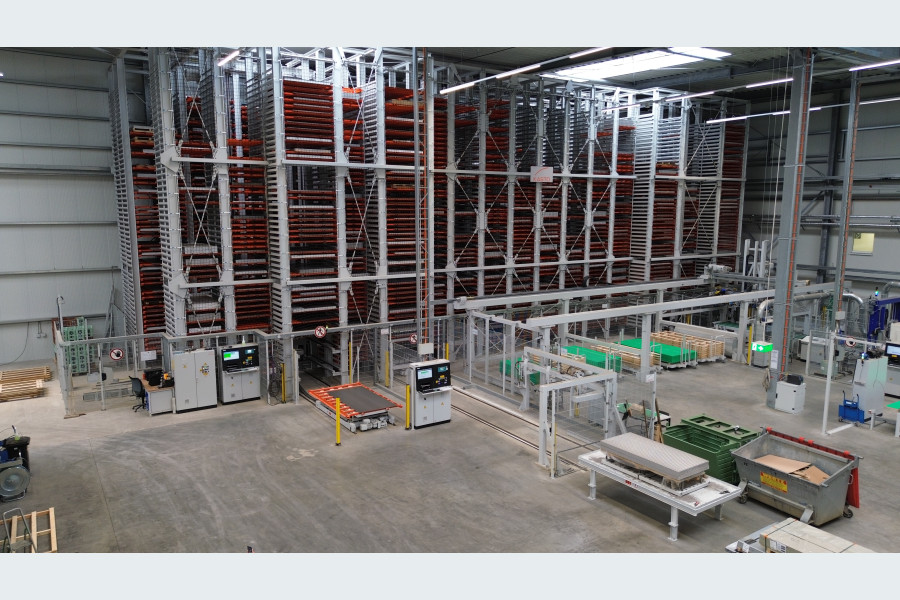
In addition to the robotic solution from Locus Robotics, Penguin Random House Grupo Editorial uses other automation technologies in the logistics center. The different systems each take over specific areas of the article assortment. The autonomous mobile robots are used for picking fast and medium-moving items. In contrast, the company stores slow-moving book titles in high-density storage systems.
Through this division of tasks, the publishing group can adjust the allocation of articles to the respective storage and picking systems according to changing demand patterns. The distribution of throughput capacities between the deployed technologies can also be adjusted according to the respective order structure. This allows the location to combine robot-assisted picking of frequently demanded titles with space-efficient storage of items with lower turnover frequency.
Translated automatically from German.
Branchenverzeichnis