Suche
Newsletter abonnieren
News
Branchenverzeichnis


Sonderhefte/Specials
Shuttle-Profis


Fotostrecken
100 Years of Toyota Industries: What an Automatic Loom Has in Common with Today's Intralogistics

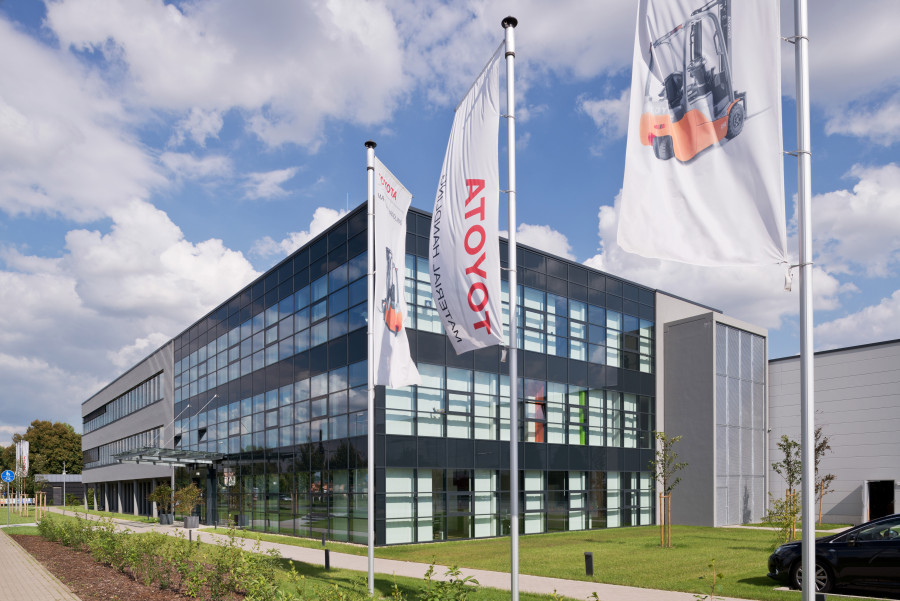
The Toyota Industries Corporation is celebrating its 100th anniversary in November 2026. Originally specialized in textile machines, the company has developed into an internationally active technology group with approximately 78,000 employees worldwide. The economic significance of intralogistics is reflected in the business figures: As the company announced, the group generated around 17.4 billion euros in the material handling sector in the 2026 fiscal year. This corresponds to a share of 69.6 percent of the total revenue, which amounts to approximately 25 billion euros.
Automation as the Origin of Corporate Development
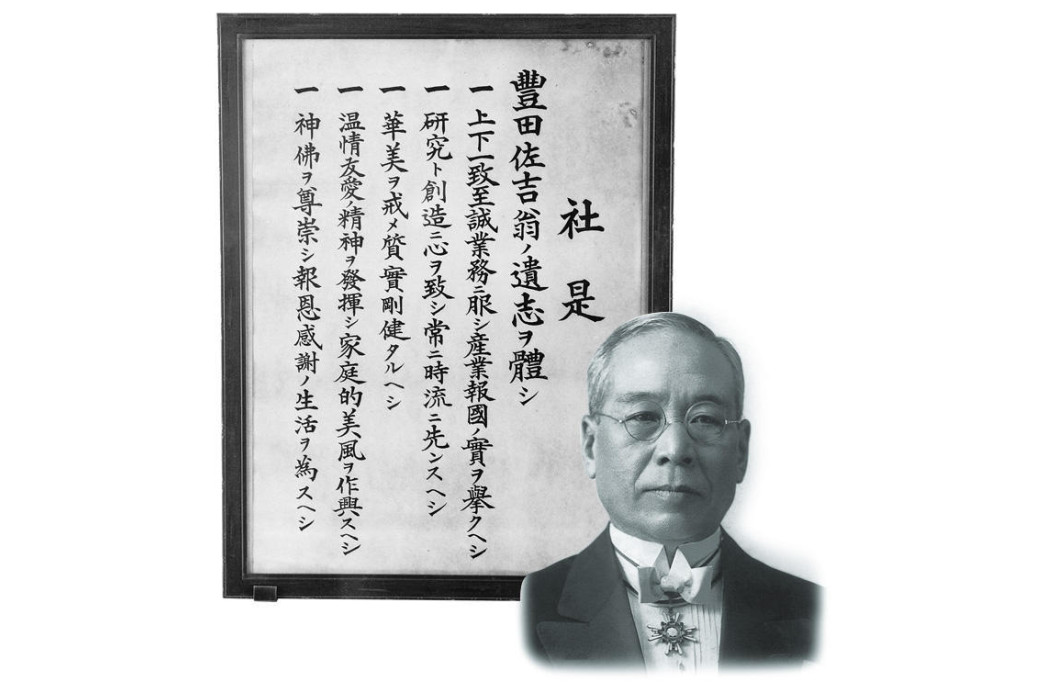
On November 18, 1926, Sakichi Toyoda founded the company Toyoda Automatic Loom Works, laying the foundation for today's Toyota Industries. The starting point was the automatic loom "Type G" developed by him. This loom automatically stopped when a thread broke, enabling early detection of errors in the production process.
According to the company, this technical function is the origin of the Jidoka principle. It describes a form of automation where quality is ensured directly in the process. Other components of the company philosophy include Kaizen, the continuous improvement of processes, and Genchi Genbutsu, the observation of actual processes on site.
Material Handling Dominates Corporate Revenue
Today, Toyota Industries operates in four business fields. In addition to the Material Handling sector, these include textile machinery, components for the automotive industry, and other business activities, particularly in land transport and road haulage.
Within the Material Handling business segment, the range of services has expanded beyond the manufacture of industrial trucks. The portfolio now includes warehouse technology, automated storage and transport systems, software, and integrated solutions for internal material flow.



46 Sales and Service Locations in Germany
Toyota Material Handling Germany combines the development and manufacturing capacities of the international group with regional consulting and service offerings. The range extends from individual industrial trucks to racking technology, energy and software solutions, as well as integrated automation systems.
The nationwide sales and service network comprises 46 locations, distributed between company-owned branches and authorized dealers. According to its own information, the company employs over 1,300 people in Germany. In addition to consulting and sales, rental services and customer support are also part of the business model. The provider serves both medium-sized companies and nationwide industrial clients.
Networking of Intralogistic Systems
For the further development of intralogistics, Toyota Material Handling expects increased automation, digital networking, and data-driven process design. Driverless transport systems, storage technology, software, and energy management are expected to interact more closely. The goal is to improve the efficiency and safety of internal material flows and reduce resource consumption.
Translated automatically from German.
Branchenverzeichnis