Suche
Newsletter abonnieren
News
Branchenverzeichnis


Sonderhefte/Specials
Shuttle-Profis


Fotostrecken












From Development to Dispatched Product
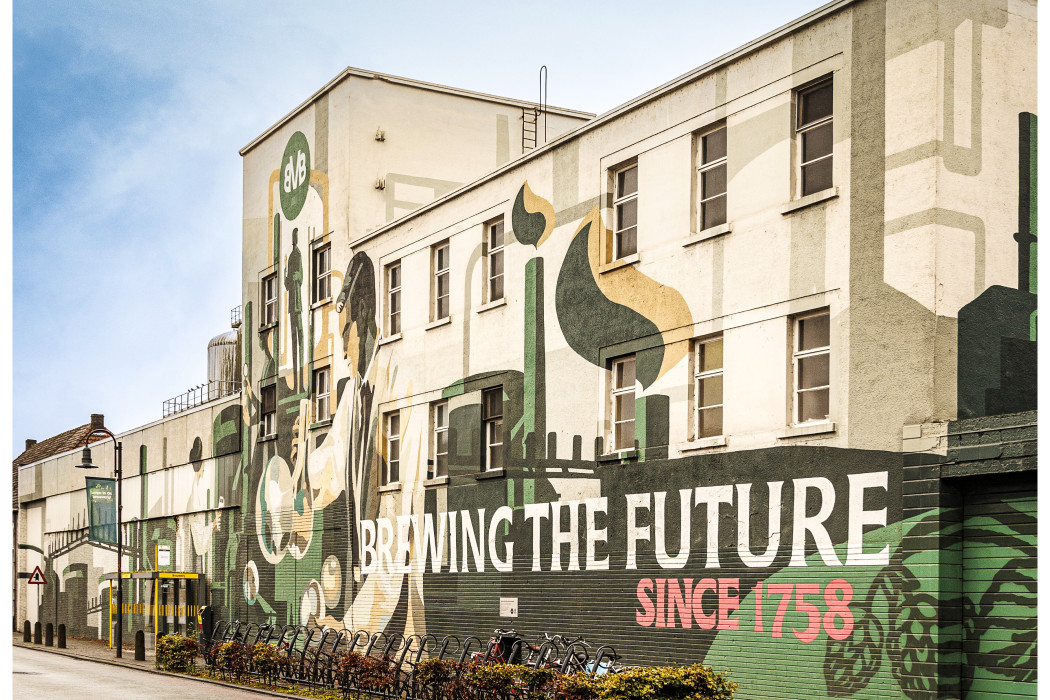
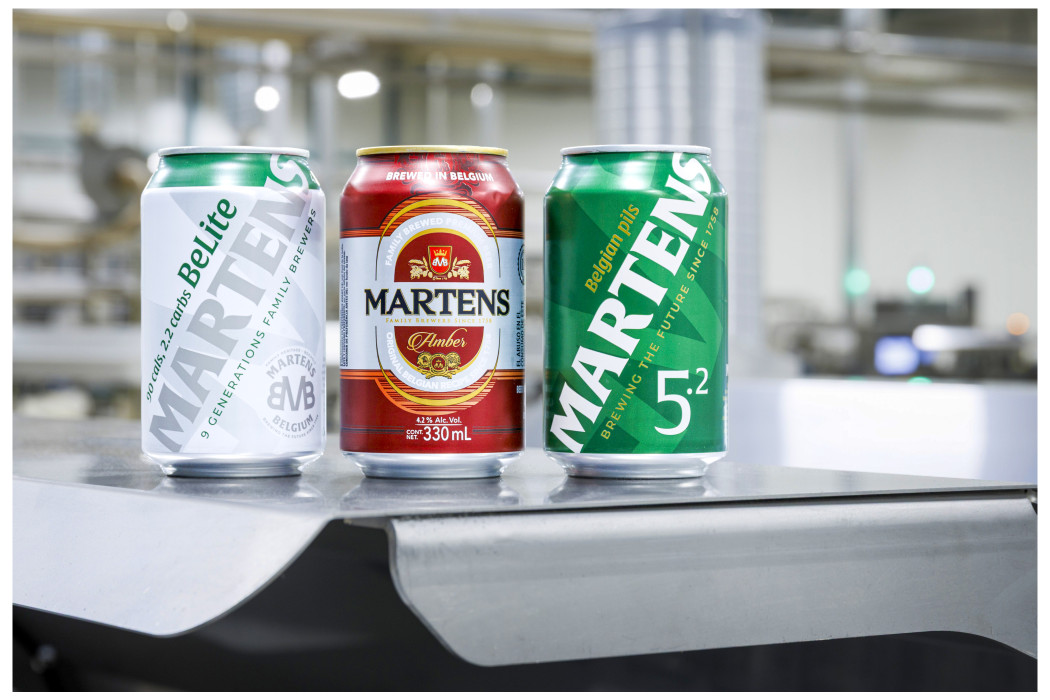
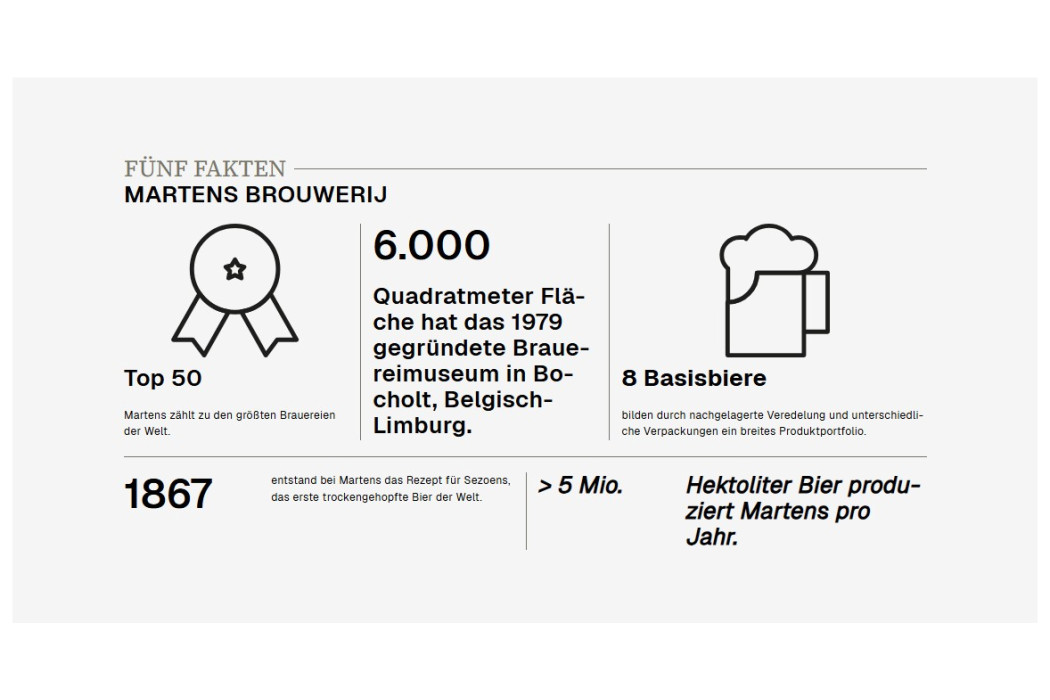
Over 90 percent of the output is exported abroad – to Asia, Africa, and South America. In addition to own brands like “Sezoens” and “1758”, as well as the brands “Oranjeboom”, “Royal Dutch”, and “Three Horses” acquired by United Dutch Breweries in the fall of 2024, Martens fills private labels and products from other breweries on a large scale. As a “Solution Provider,” the brewery supports its customers from product development in its own Innovation Centre to the final product – across all common container segments.
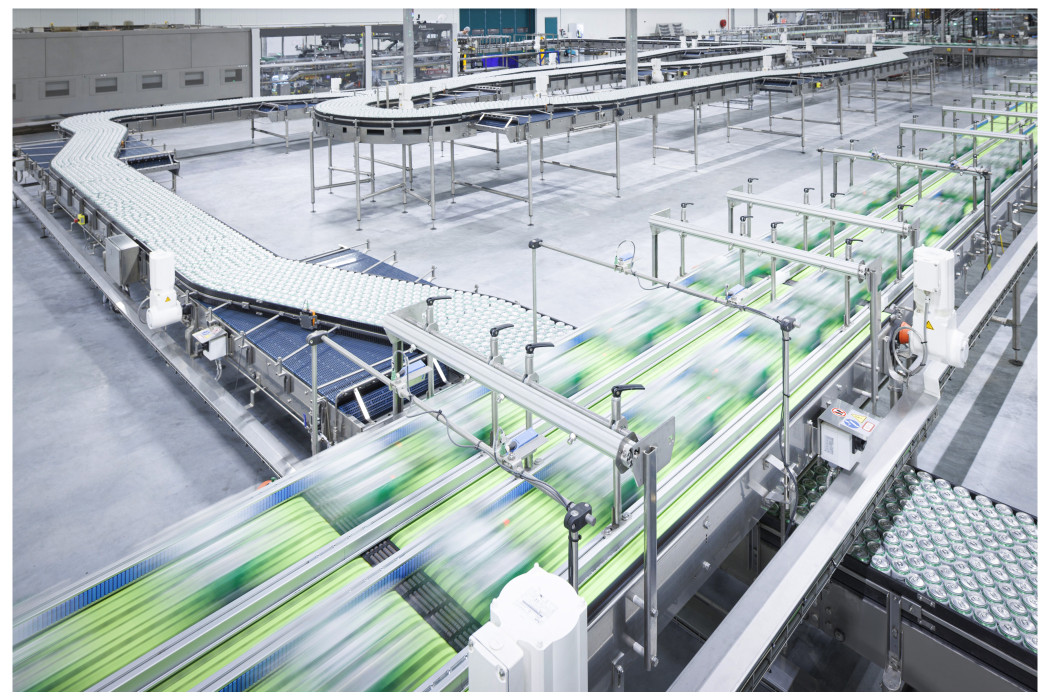
A third KHS can line is now joining the existing ones, with capacities of up to 60,000 and 90,000 cans per hour, respectively: At the Kaulille plant, eight kilometers from the main plant, a line was established for up to 120,000 cans of 330 milliliters per hour – one of the most efficient beer can lines of its kind. The installation achieved an efficiency of 98 percent already during acceptance. Ever since the first salable can, it has been running round the clock. And thus meets the operator's demand: “Anyone who wants to become and remain a serious partner for strong retail chains must deliver top performance and quality day after day,” says Jan Martens.
Well Synchronized
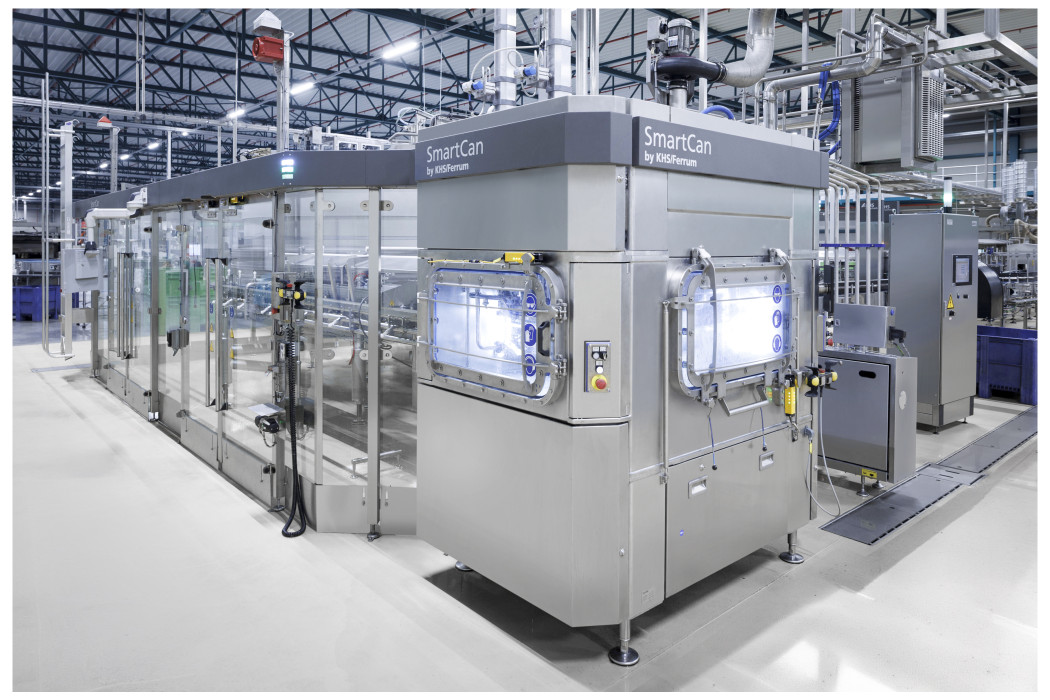
A key role is played by the “Smart Can by KHS/Ferrum”. It connects the KHS filler “Innofill Can DVD” with the seamer “Ferrum FS18”, which was first presented at Drinktec 2025 and seals up to 136,000 cans per hour with its 18 stations. Both machines are precisely tuned and synchronized with each other. This ensures the highest precision in sealing – because at these speeds, every detail counts. Format changes are largely automated and recipe-controlled. No change part weighs more than twelve kilograms.
At the filler, separate belt and scroll drives, as well as an improved can stop, provide the necessary finesse: Even thin-walled aluminum cans pass through the nose section of the line undamaged. Magneto-inductive flow meters in each filling valve keep the fill volume and headspace constant. A 40 percent smaller “donut” enclosure, pneumatic tulip guide, PTFE bellows, and cable routing in closed pipes optimize the hygienic properties of the filler.
Two Paths, No Stop
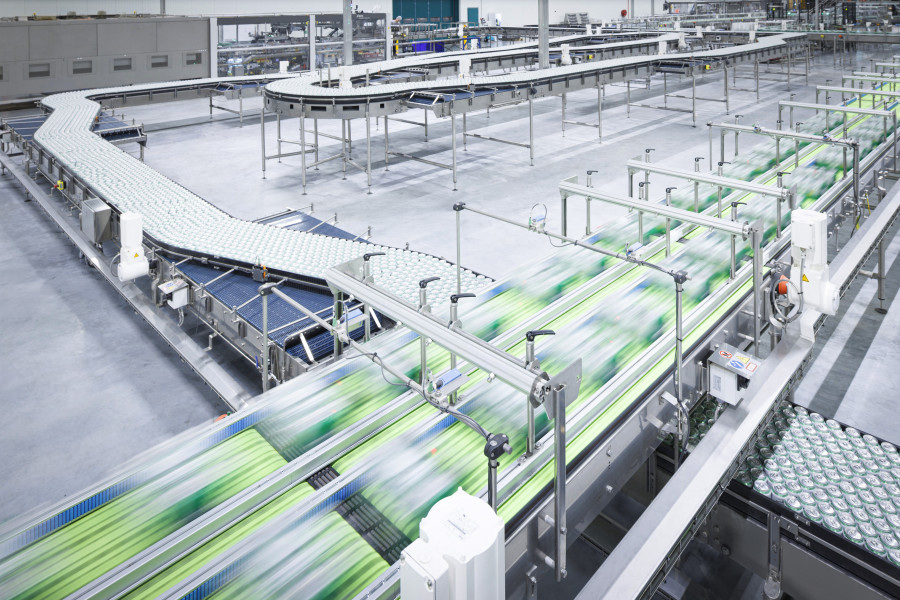
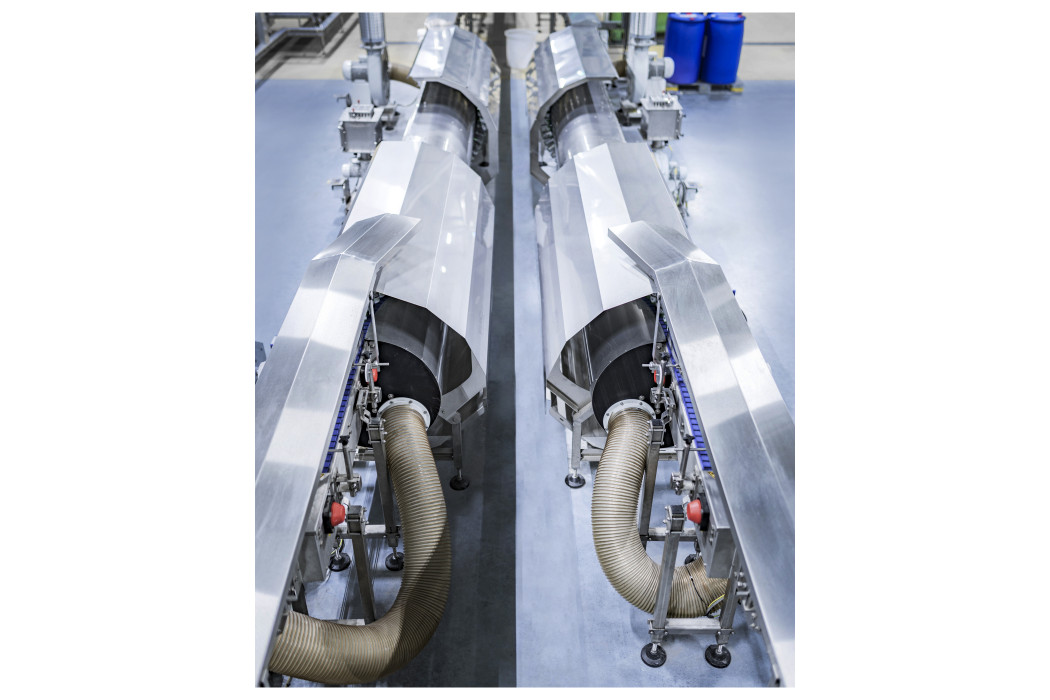
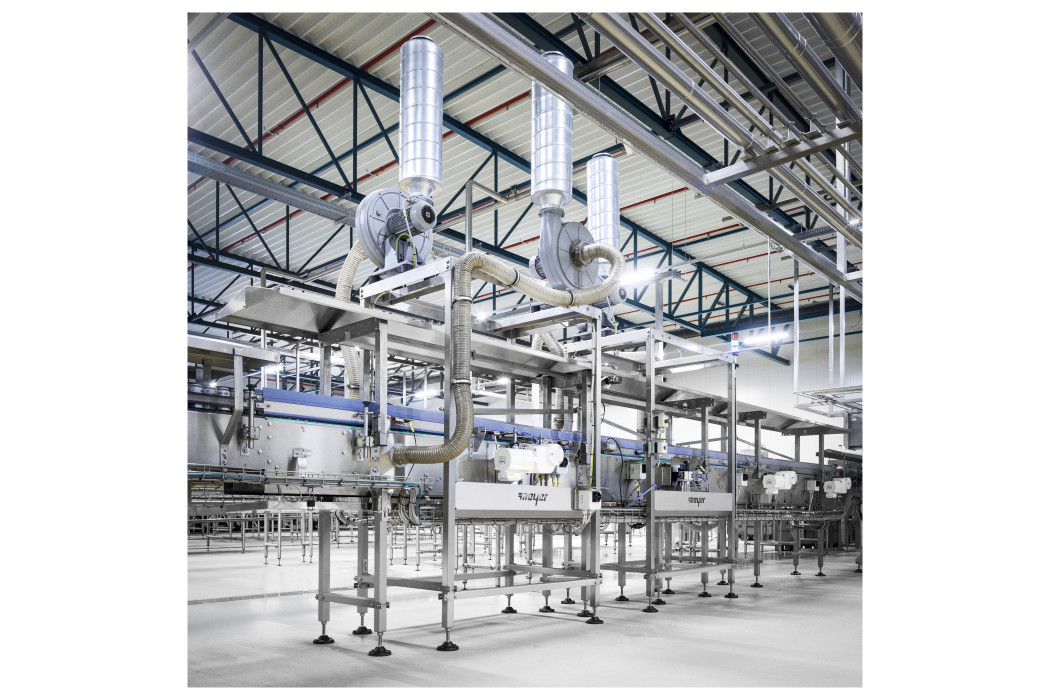
Another unique feature of the line concept contributes to its high performance: After depalletizing, the empty cans initially overcome a height difference with the help of a mass vacuum bridge from KHS partner company H. F. Meyer. Subsequently, KHS conveyor technology splits the can stream into two parallel paths.
The cans are guided via the "HYTRANS-V1" vacuum bridge in twin configuration for coding and then inspected by the "KHS Innocheck ECI" units for foreign bodies and damages. Two "HYAERO" vacuum rinsers clean the containers before a "HYCOMBI" unit merges the two paths again before the filler. Each of the two paths can handle up to 90,000 cans per hour. Behind the apparent overcapacity lies a simple principle: redundancy instead of downtime. If one of the two paths fails, production continues at at least 75 percent of the nominal capacity.
Testing What Matters
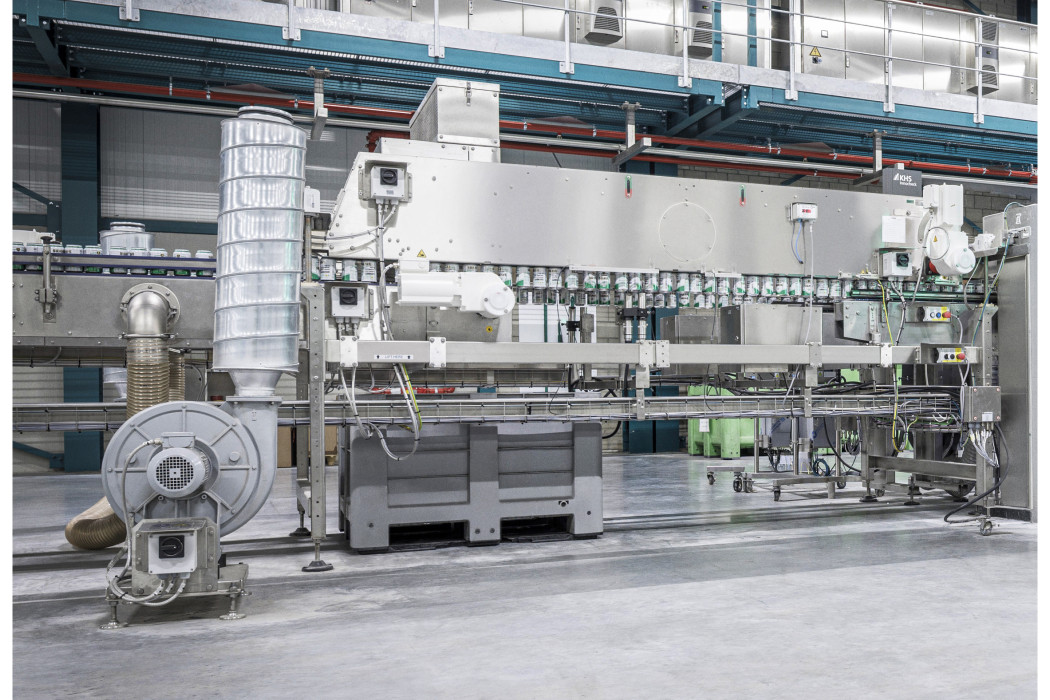
Even behind the filler-sealer block, the line relies on redundancy. Duplication in inspection technology ensures flawless products: Two "KHS Innocheck FHC" units check the fill level and, via LTC, the integrity of the cans. The intelligent filler management system, "KHS Innocheck MMS," assigns faulty fillings in real-time to the respective valve. This way, it can be selectively shut off without stopping the entire line.
Parallel arranged machines are also used in packaging and palletizing. Finally, the production monitoring system "KHS Innoline Basic Line Monitoring" (BLM) provides transparency. It records the operating conditions of all machines in the facility and makes potential performance losses and their causes visible.
Focus on Resources
While in many high-performance plants components such as can conveyors or rinsers are installed on elevated platforms, production in Kaulille takes place almost entirely at floor level. This ensures visibility and short paths. Three employees are sufficient for the regular operation of the entire line.
However, the focus on efficiency does not stop at the line layout. Martens also sets benchmarks in media and energy consumption: According to the company, the brewery only needs 1.35 liters of water to produce one liter of beer, compared to the industry norm of three to five liters. For its investments in water recovery and energy efficiency, it received the Entrepreneur Award from its home province of Limburg in 2025.
The Bigger Picture
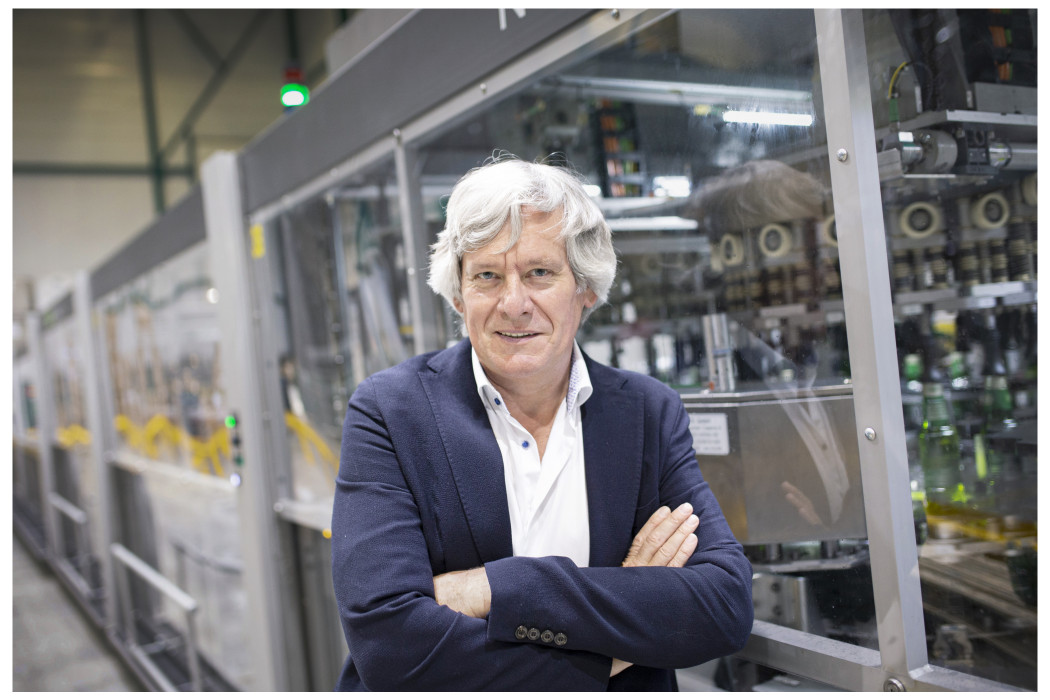
The award comes as no surprise: After all, the company has long been considered an industry leader, even in terms of technology. "Of course, I'm interested in the machines and how they work," says the brewery's manager. "But what's even more exciting is how they interlock so that the line runs without interruption." His focus is on the total operating costs over the entire lifecycle of the systems.
With a wink, the Belgian shares a Flemish proverb with the next generation: "Never give up. You can only jump as far as the pole is long." In Kaulille, it seems, the pole has just grown a good bit longer.
Translated automatically from German.
Branchenverzeichnis