Suche
Newsletter abonnieren
News
Branchenverzeichnis


Sonderhefte/Specials
Shuttle-Profis


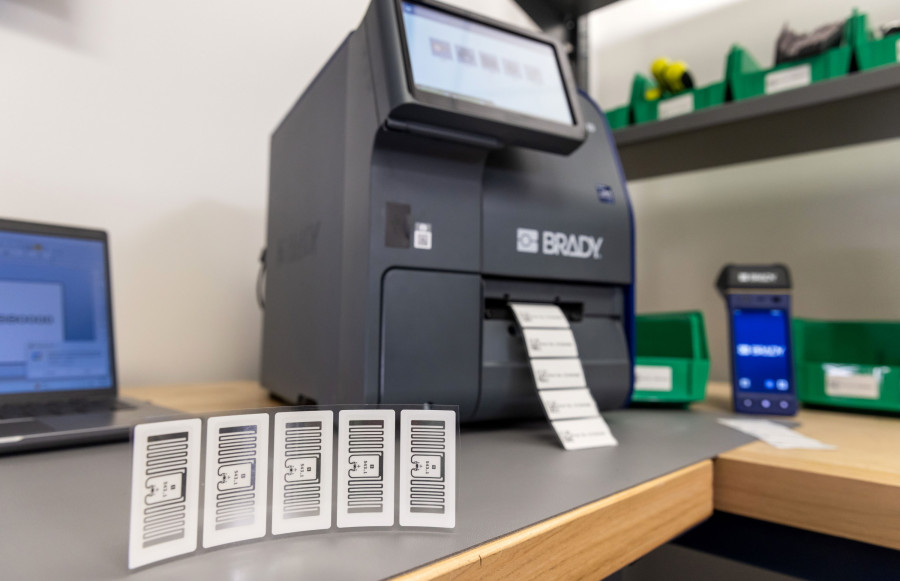
Brady Corporation has introduced the "BradyPrinter i7500 RFID," an industrial label printer that can automatically identify, print, and encode UHF RFID labels. According to the manufacturer, the device does not require labels for calibration after changing consumables. The very first RFID label should be correctly printed and encoded. In contrast, competitive models tested by Brady require ten to 30 labels after a material change.
Automatic Detection of RFID Chips
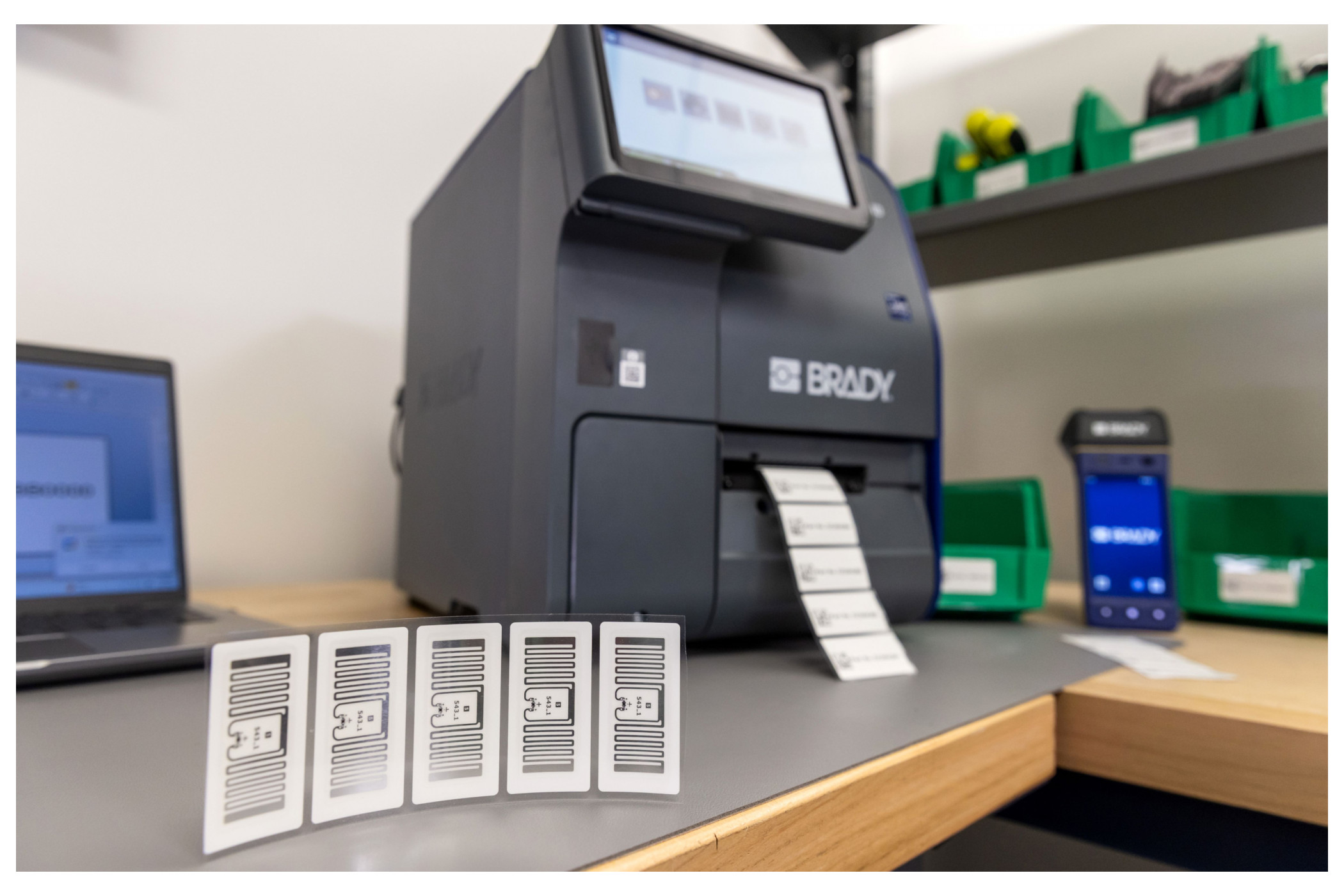
According to the company, the printer automatically detects the RFID chips of the inserted labels. It then selects the appropriate internal antenna and transmission power for encoding. This eliminates the need for manual configuration of these parameters.
According to Brady, the automatic detection also works with RFID chips on small labels with a width of 15 millimeters. This allows companies to process different types of UHF RFID labels with the same printer. The provider aims to particularly reduce material waste and setup effort when changing consumables.







Setup in Less Than Three Minutes
According to the manufacturer, the "i7500 RFID" can be set up for large and small UHF RFID labels in less than three minutes. It can process both labels for metal surfaces with a thickness of up to two millimeters and variants for other materials. Brady states that the setup is thus two to 25 times faster than most competing models.
According to the manufacturer, the device requires three seconds to print and encode a label. The automated material preparation and calibration are designed to particularly support industrial production processes and reduce waste and unplanned interruptions during labeling.
Coding is automatically checked
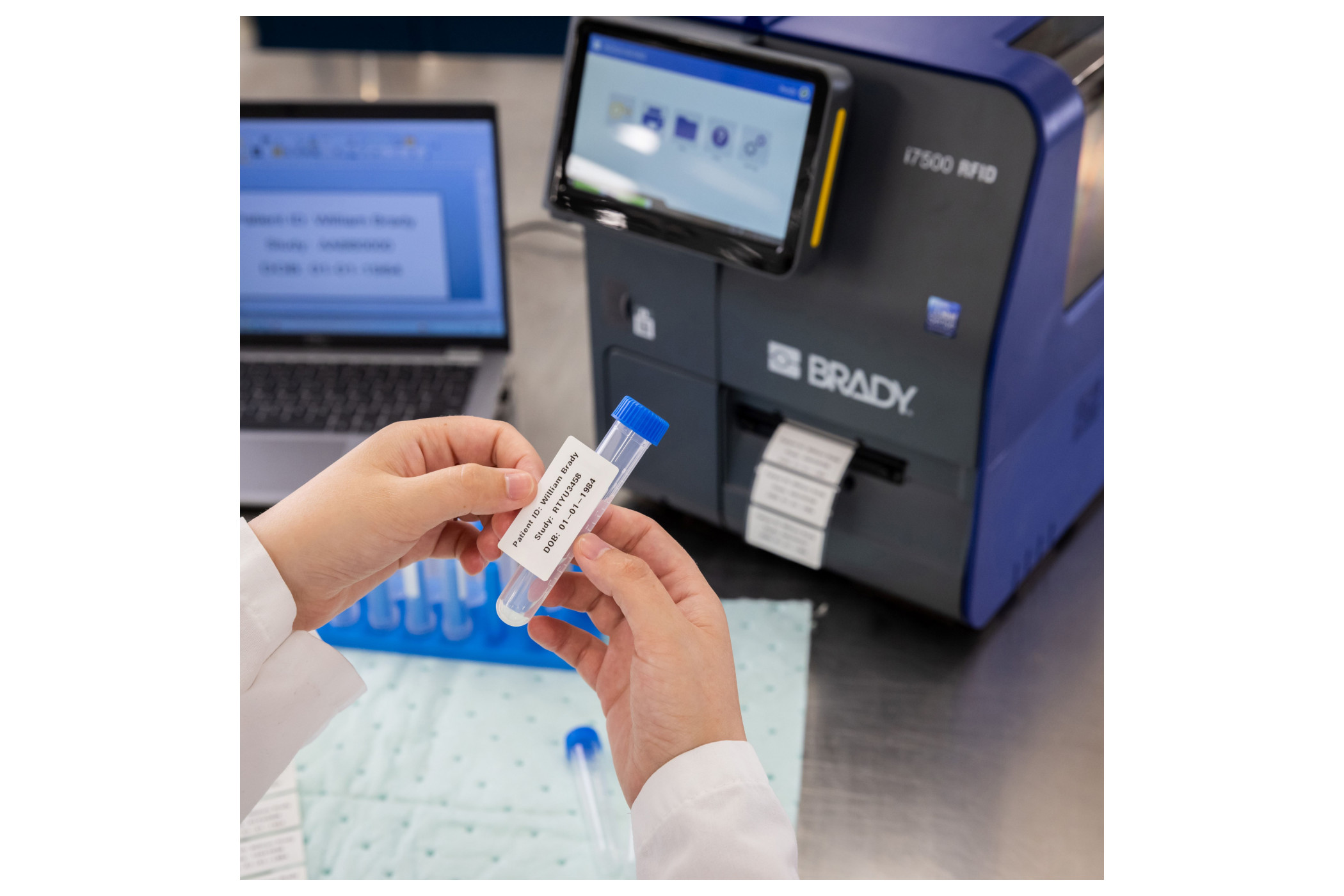
The printer automatically checks the coding of the UHF RFID labels. According to the manufacturer, the range of applications extends from large pallet labels to small markings for individual components. In addition to RFID data, the system can apply plain text, as well as QR codes and barcodes.
Printing resolutions of 300 and 600 dots per inch are available. Data can be imported from enterprise systems and transferred to the printer via Ethernet, USB, WLAN, or Bluetooth. According to the provider, common data standards are supported, including GS1 for unique RFID EPC codes and barcodes at the item level.
Use in production and supply chain
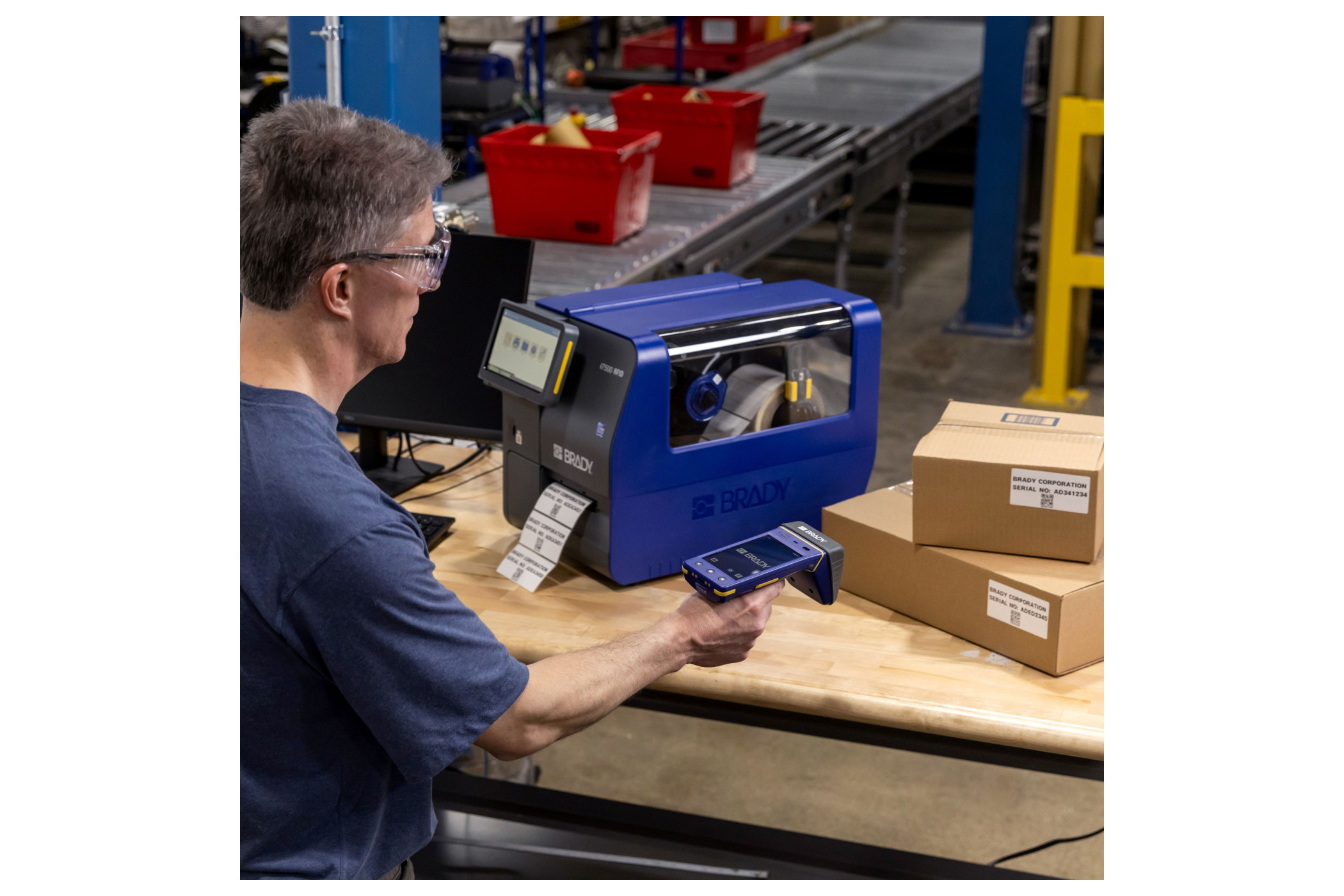
Brady positions the printer as part of an industrial RFID solution. In addition to the printing system, this includes RFID labels, RFID readers, and software. Companies can use the technology for tracking marked objects as well as for automated inventory and freight checks.
Other intended applications include just-in-time tracking and the identification of products within industrial supply chains. RFID allows tagged objects to be detected from a distance and without direct line of sight. Furthermore, Brady mentions linking products with digital product passports as a possible application area.
Translated automatically from German.
Branchenverzeichnis